

























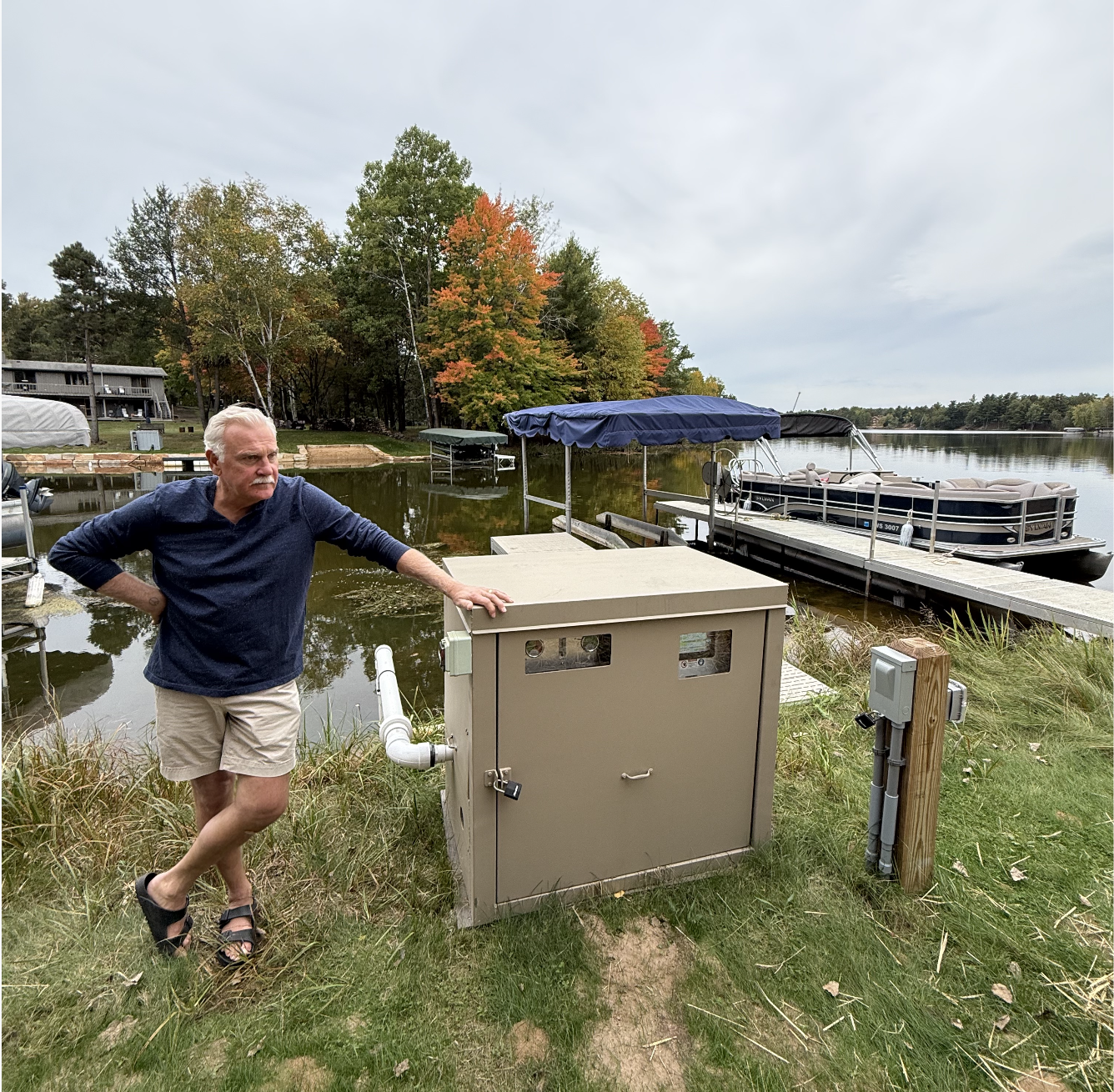
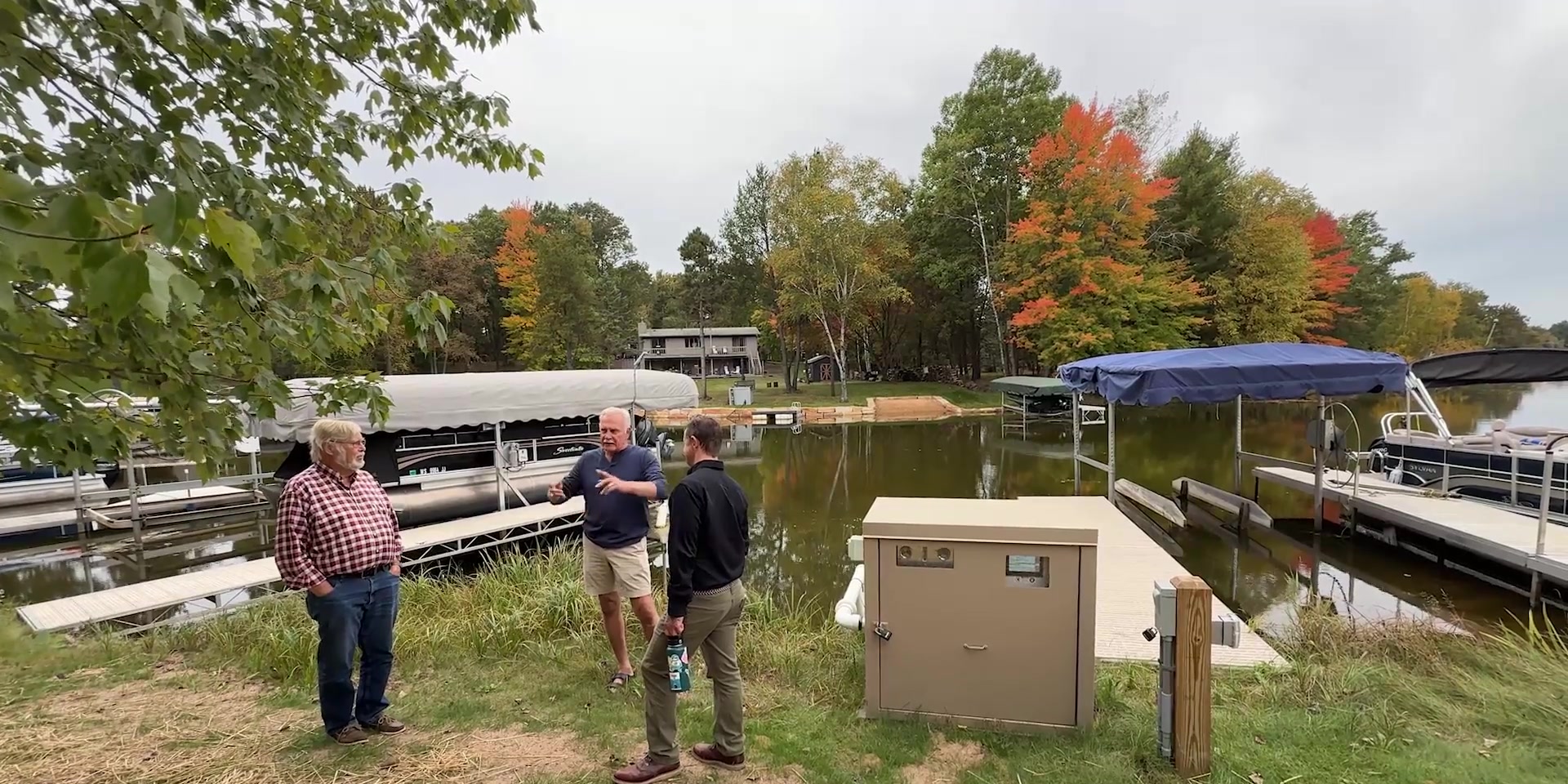
All of my neighbors, unsolicited, have said that they think this thing is cleaning up, and it’s having a positive impact on the muck.Craig GerlachLake Sherwood resident
































Watch the Tri-Lakes story, told by the district’s chairman and the residents who host Moleaer equipment on their shorelines.
“This is the best option we’ve seen. And it was the only one that was actually a solution, not a band-aid.”Carl HasdelChairman, Tri-Lakes Management District
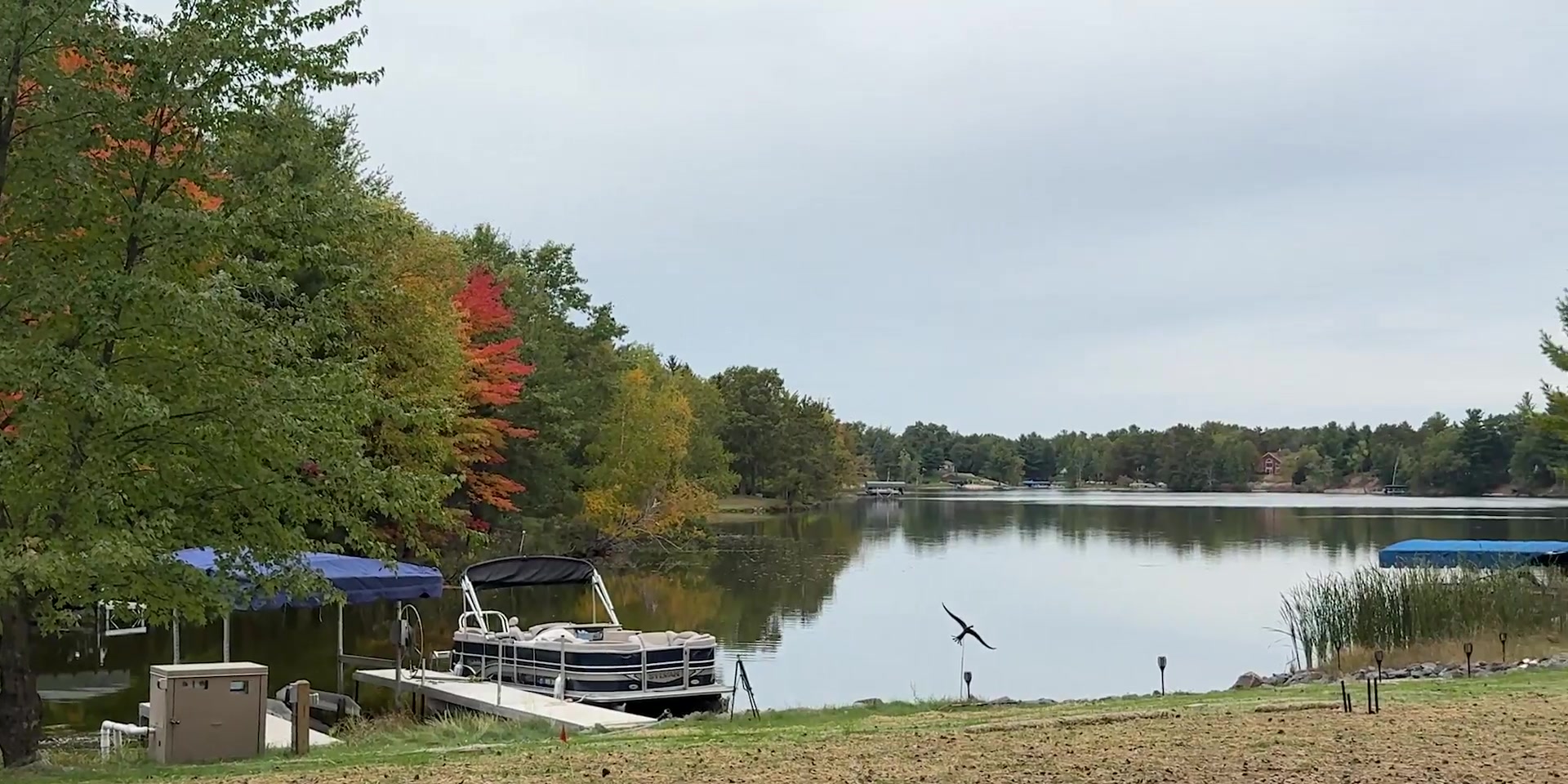
About 80% of the Town of Rome’s residential value sits around Lake Arrowhead, Lake Sherwood and Lake Camelot. As the district’s chairman puts it, if the lakes are in terrible shape, the town suffers.
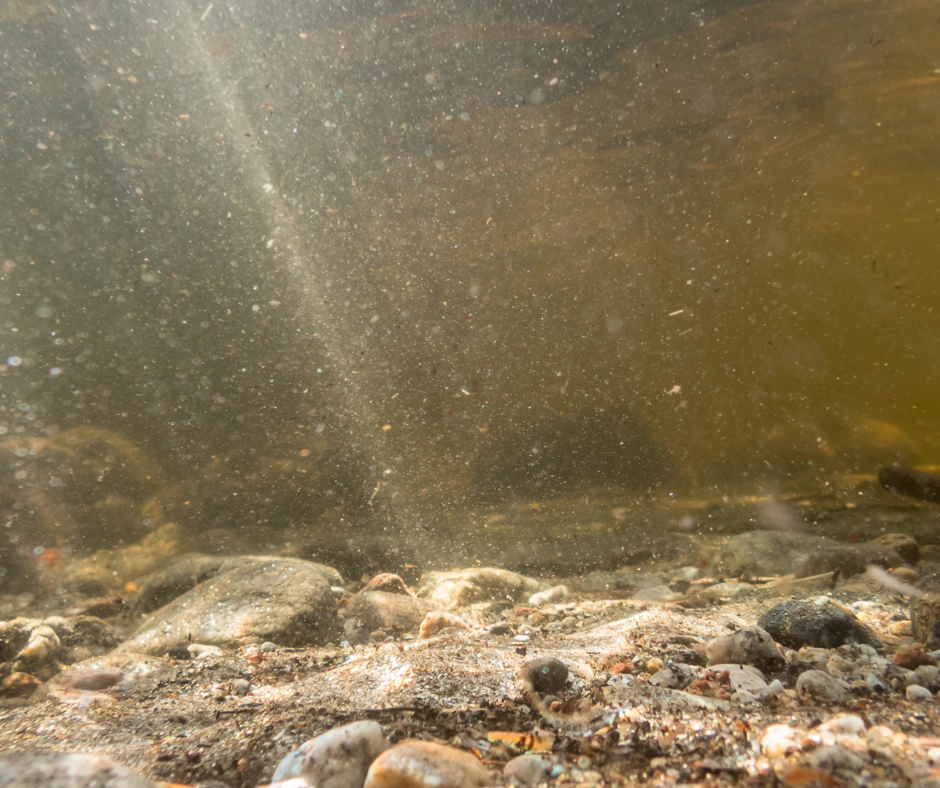
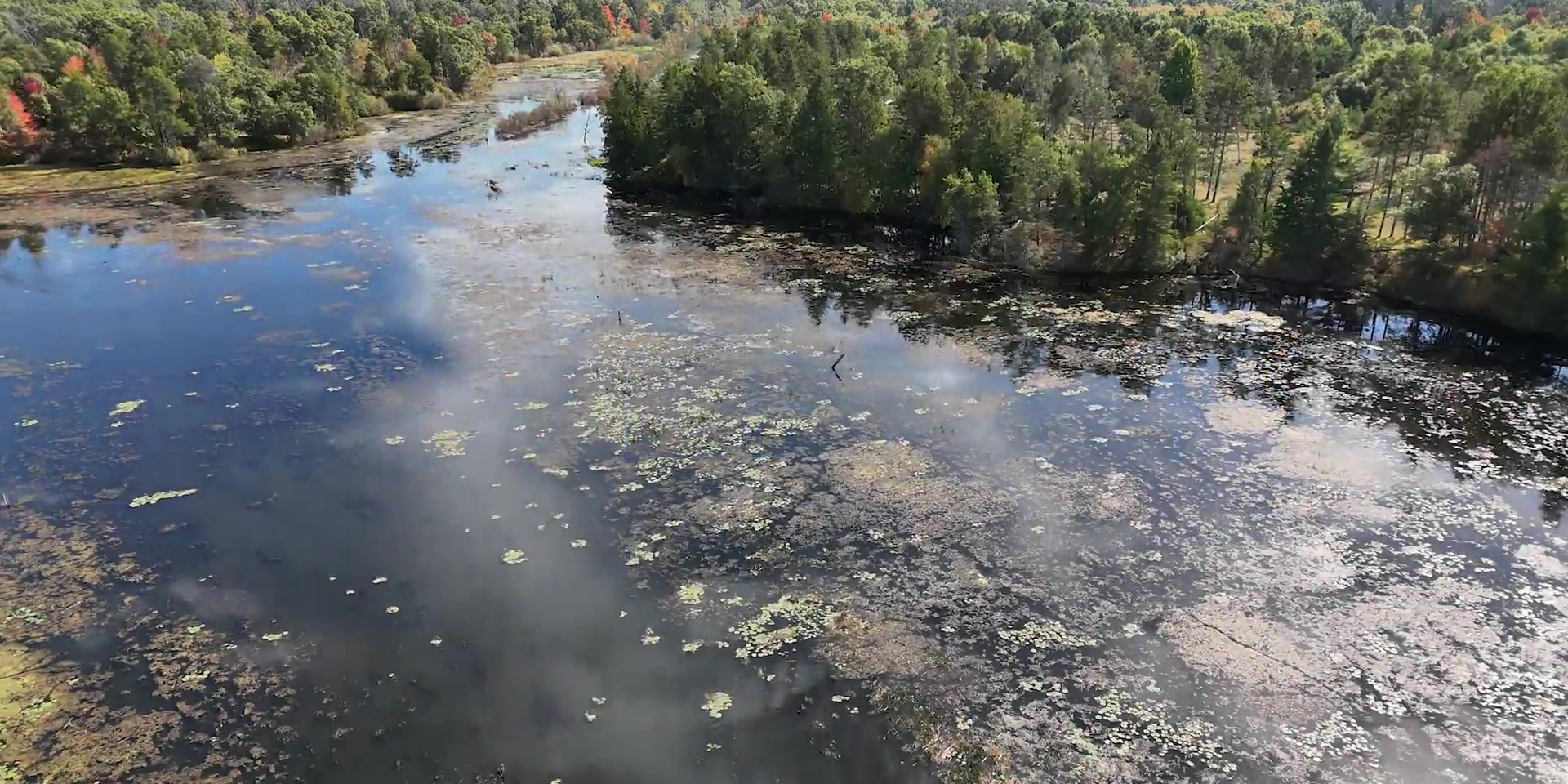
Residents remember water clear enough to see six or seven feet down. Over 30 years, conditions deteriorated: all three lakes are now considered eutrophic, two are listed as impaired, and muck and algae built up across the lakes’ many fingers.
Treatments such as copper sulfate killed algae but left the underlying problem in place. The district wanted a sustainable, chemical-free approach: a solution, not a band-aid.
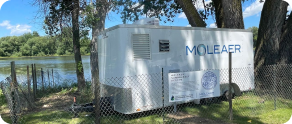
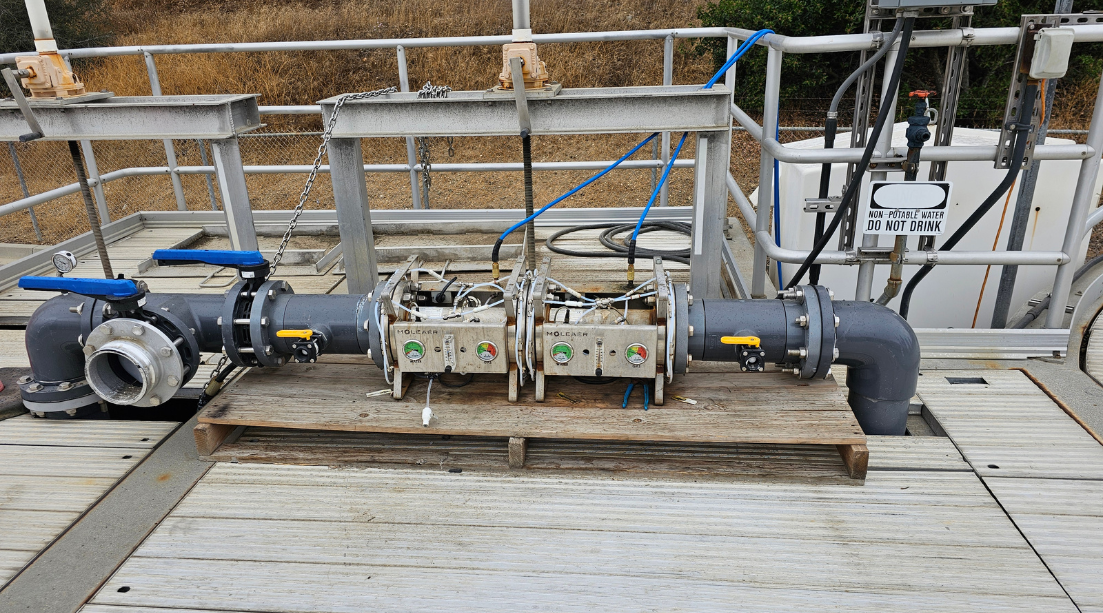
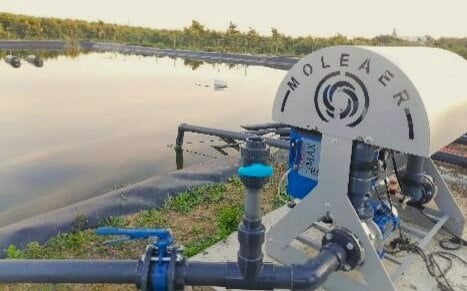
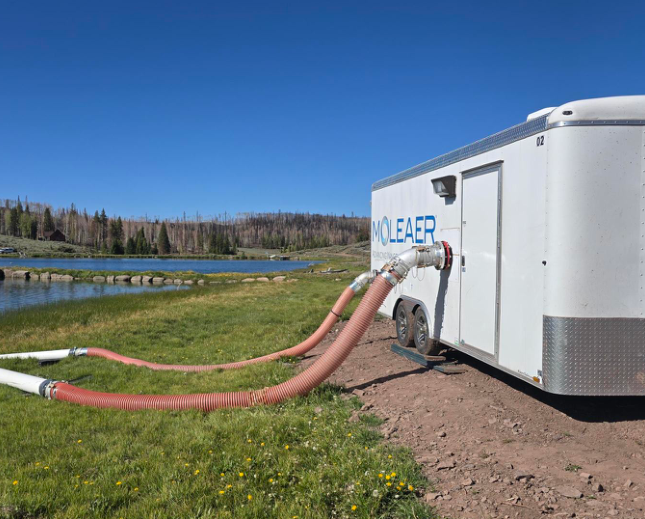
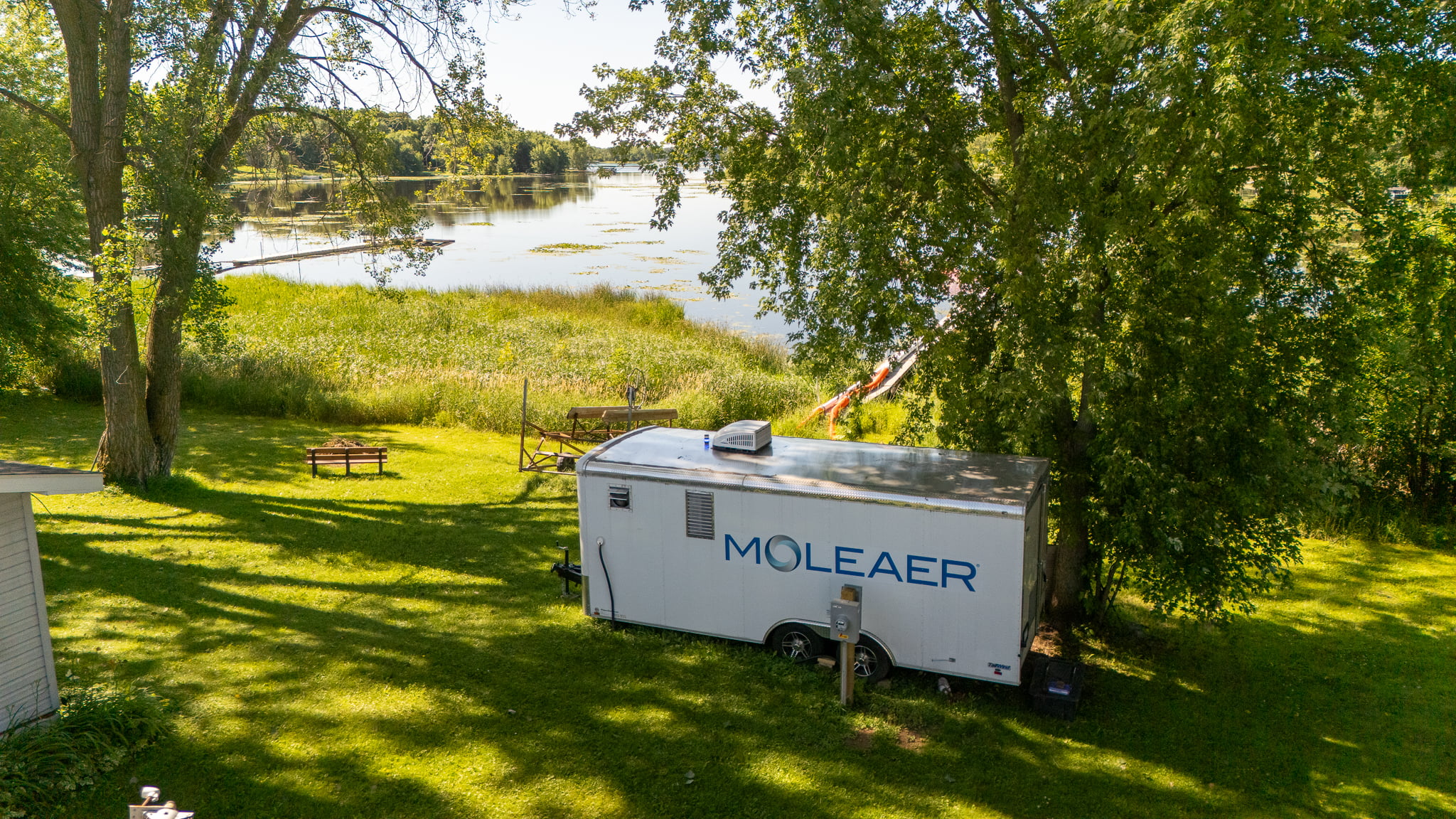
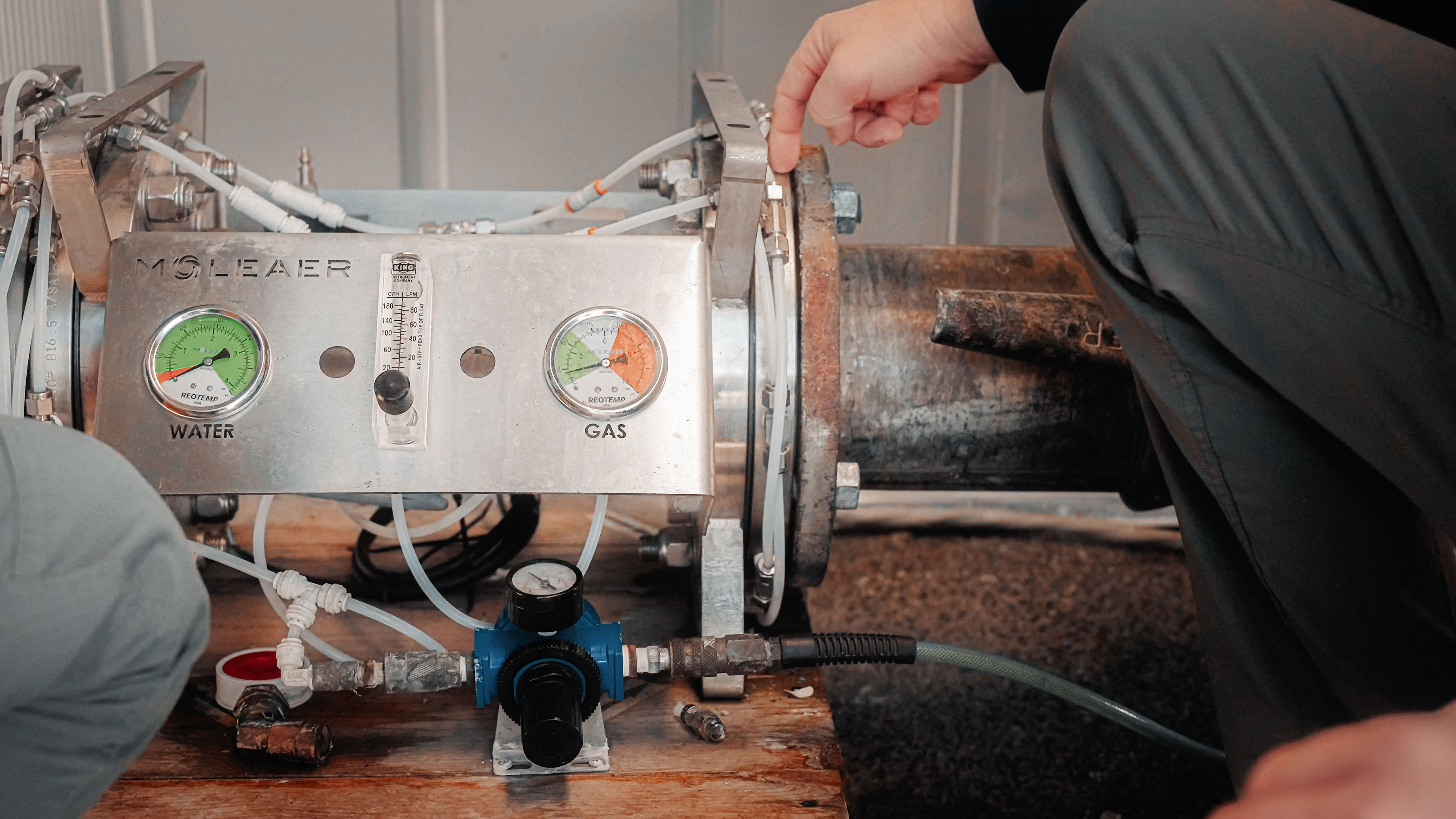
The district began with a pilot in Lake Arrowhead Marina. After baseline sediment mapping and the installation of water-quality buoys, Moleaer installed a nanobubble generation trailer with oxygen on the shoreline, treating the marina at 1,000 gallons per minute for 75 days.
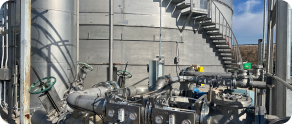
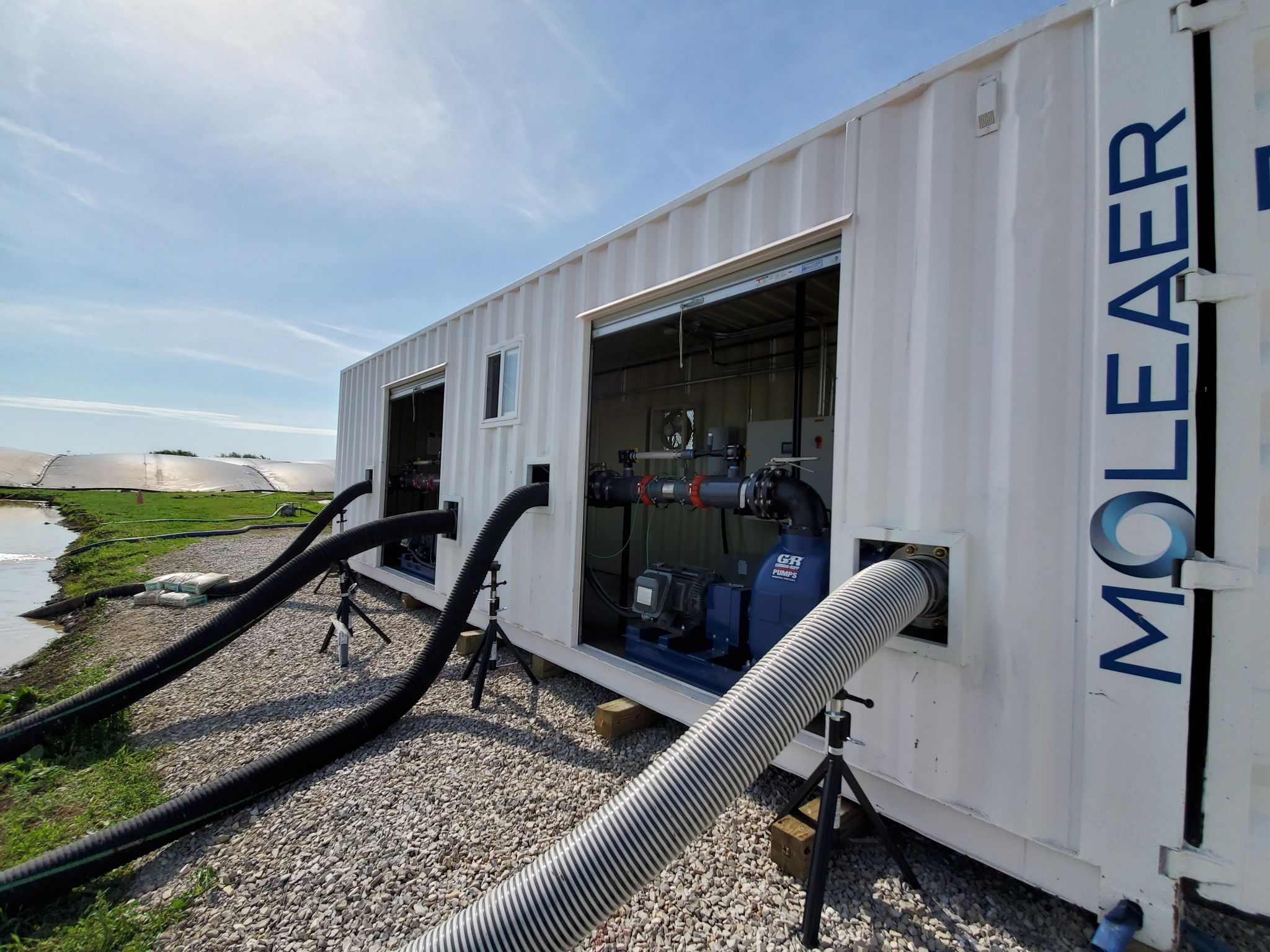
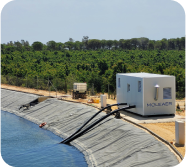
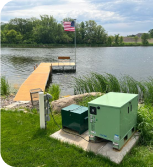
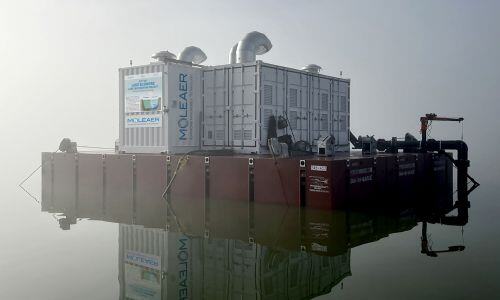
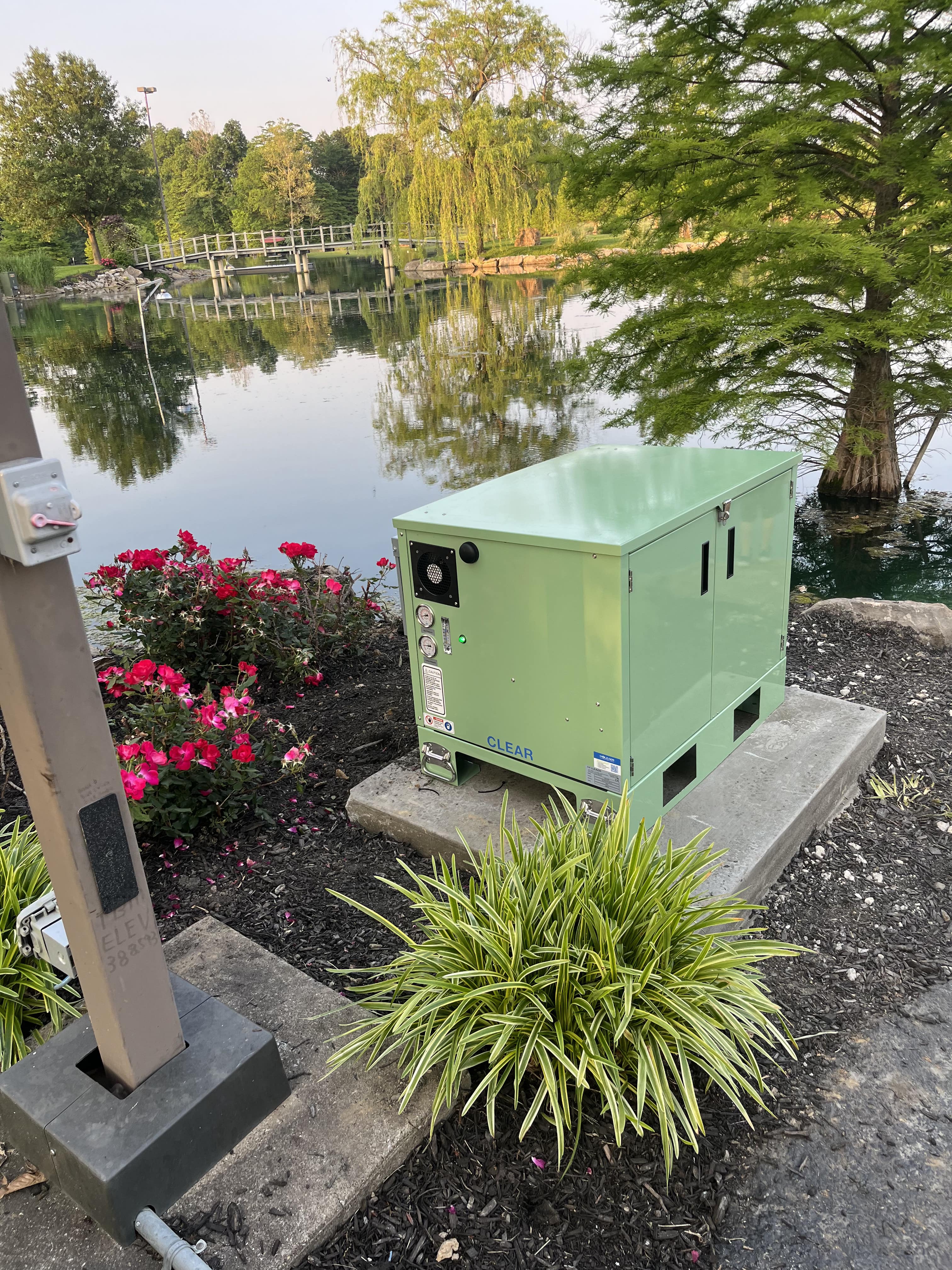
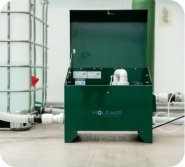
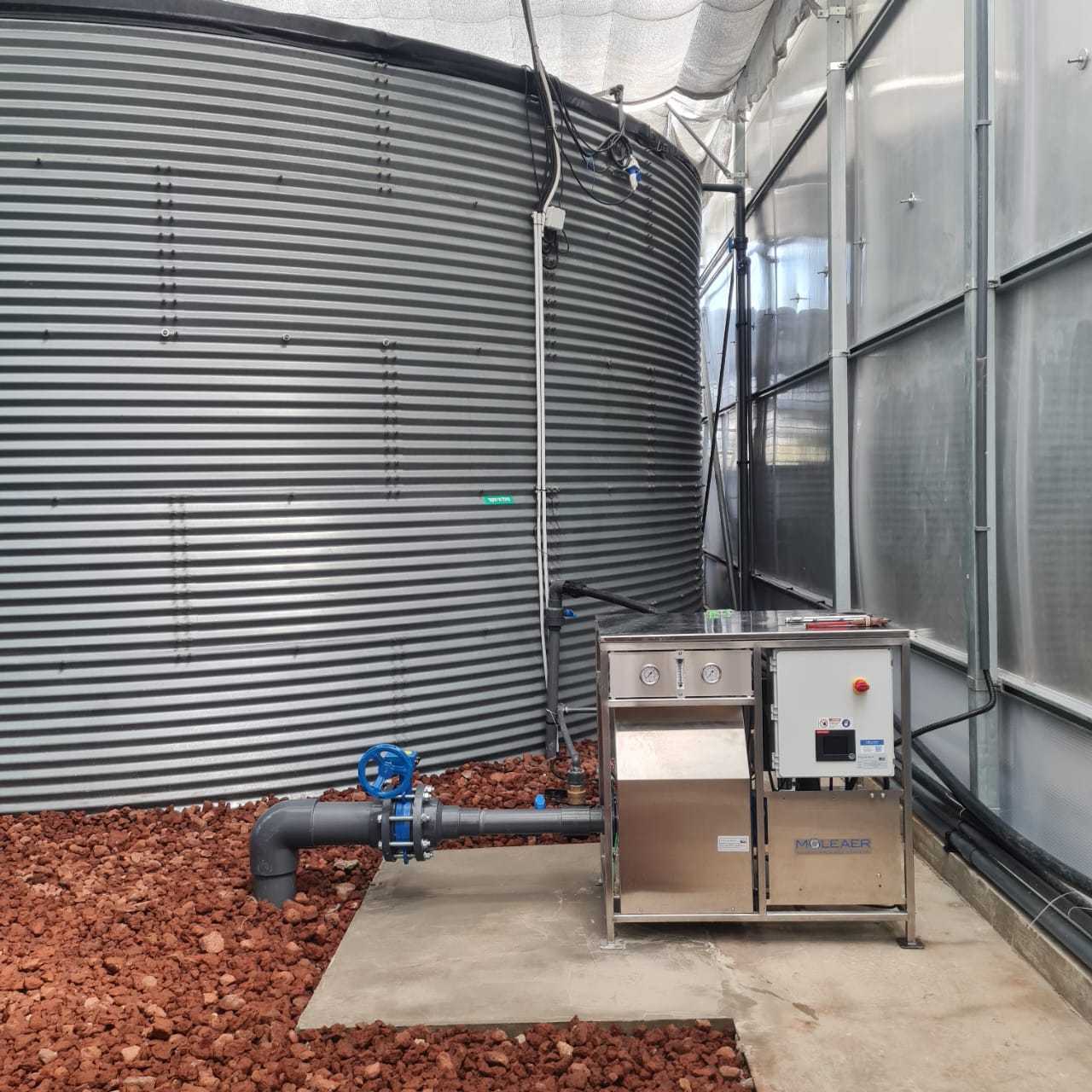
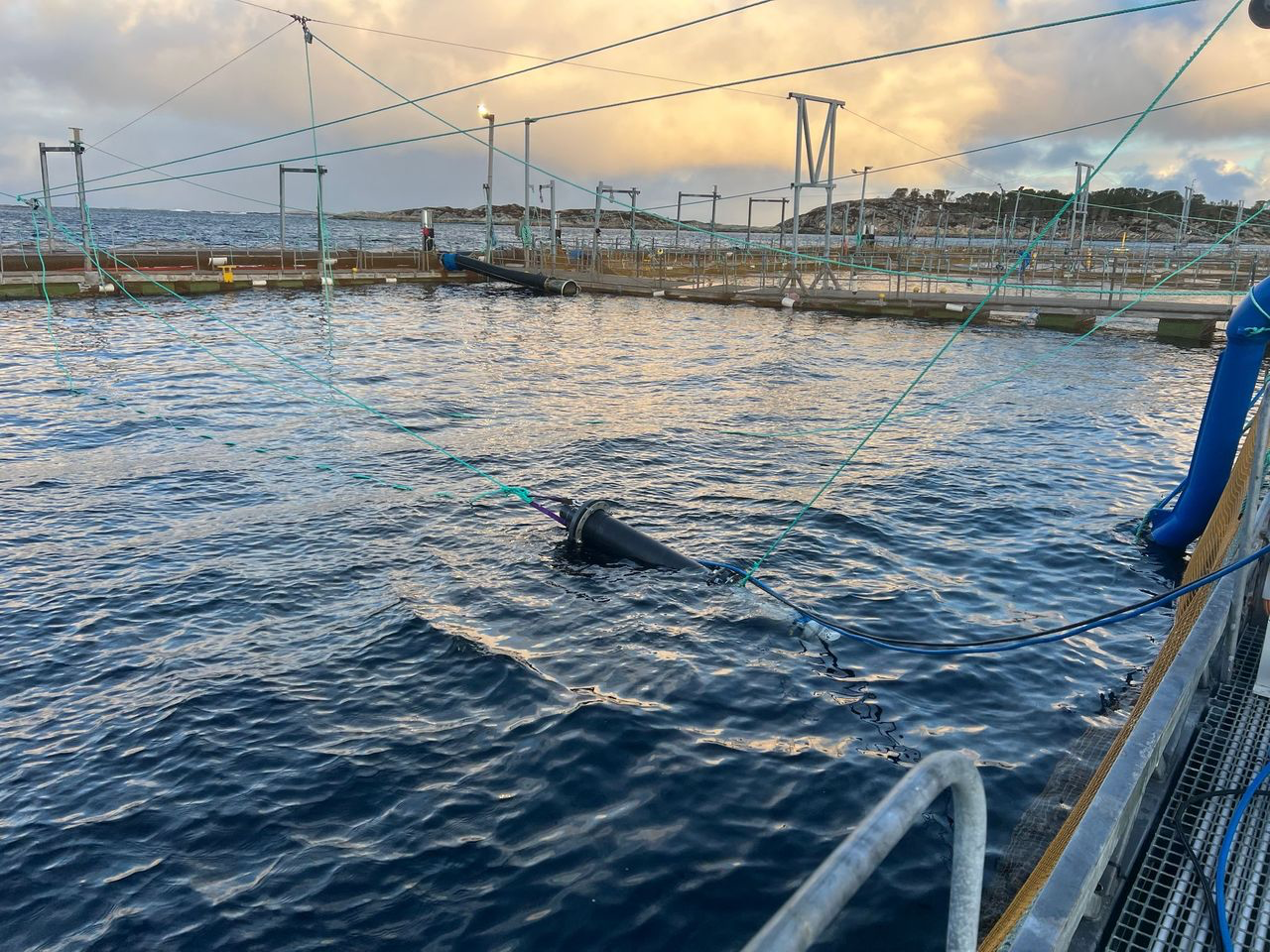
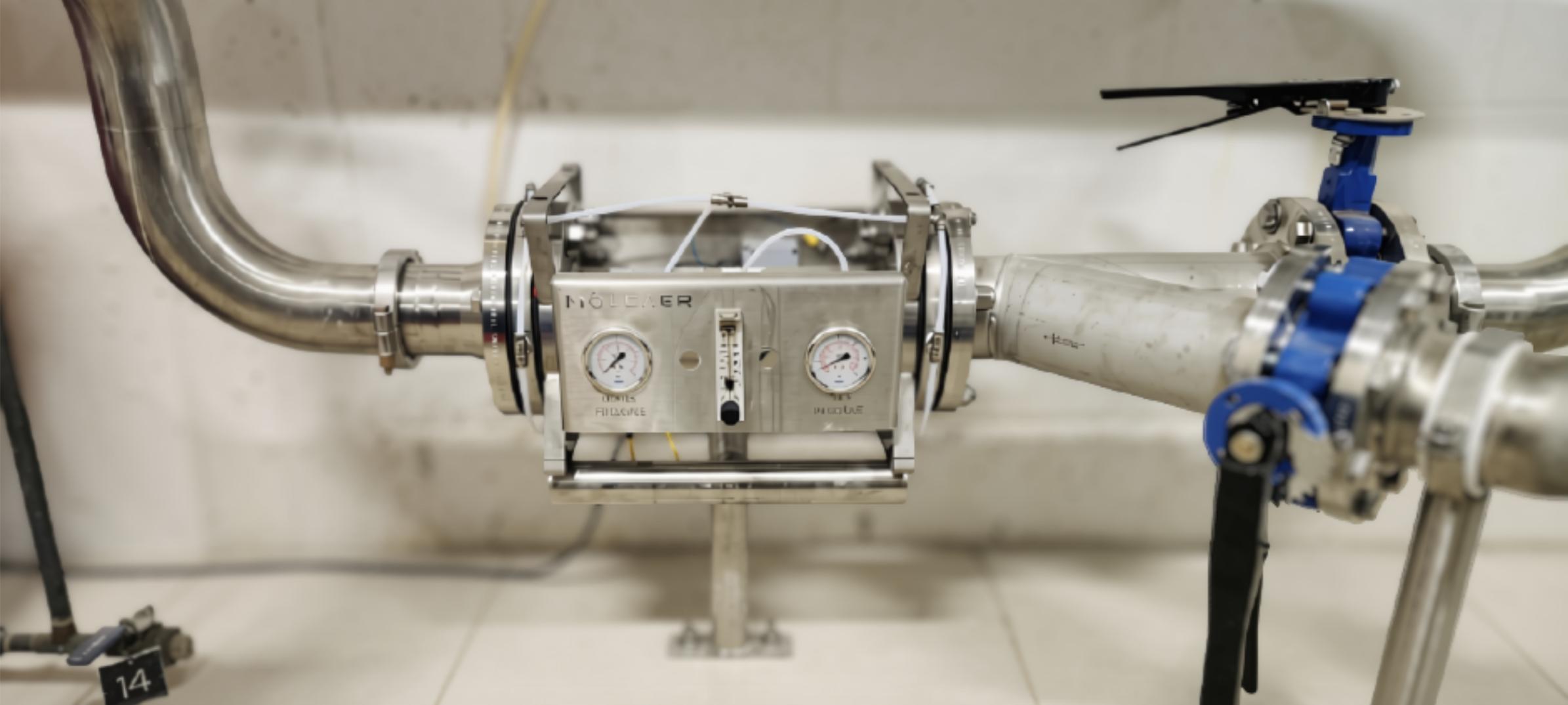
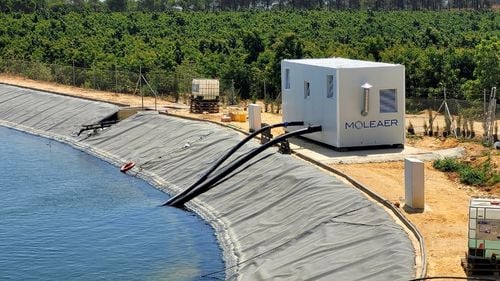
With results in hand, the district expanded treatment to Lake Sherwood and Lake Camelot. Two large Moleaer containerized systems now operate alongside smaller units of Moleaer’s Neo placed along residents’ shorelines.
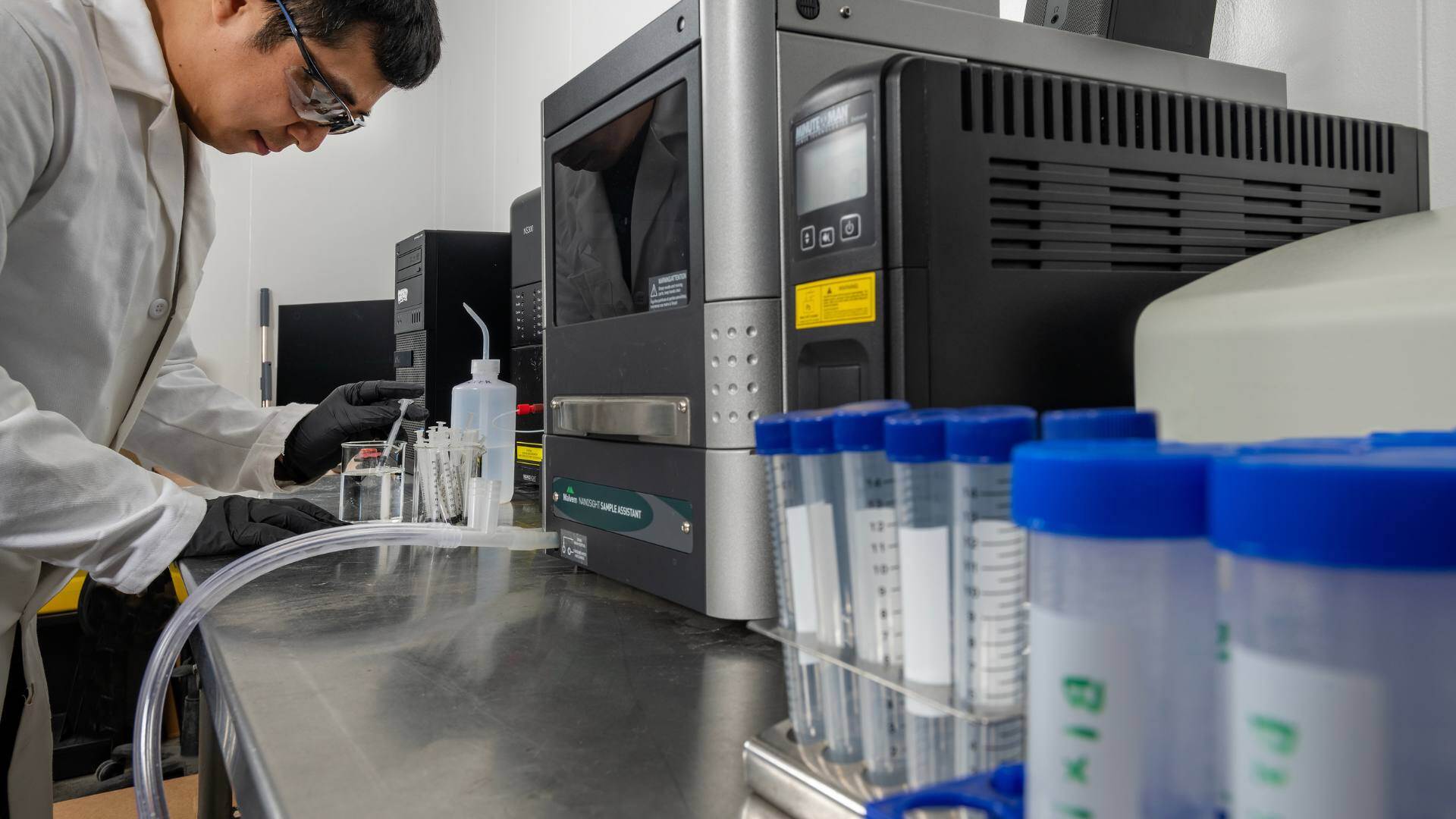
The University of Wisconsin–Stevens Point samples the lakes weekly as an independent source, while the systems log data every 15 minutes and are monitored around the clock.
Explore Moleaer surface water solutions →All of my neighbors, unsolicited, have said that they think this thing is cleaning up, and it’s having a positive impact on the muck.Craig GerlachLake Sherwood resident
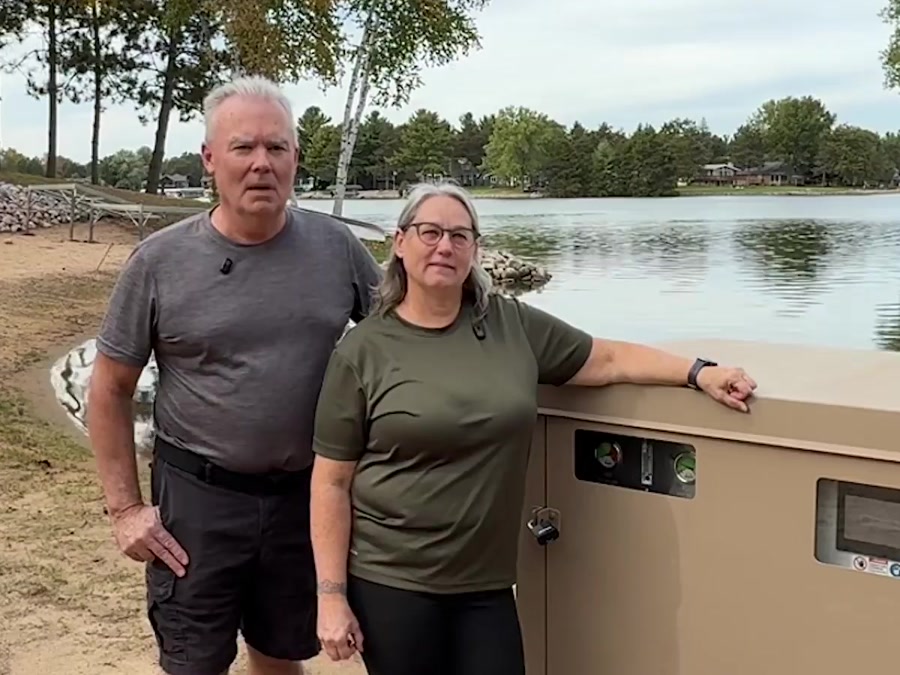
I don’t feel like it’s as murky as it was. And we’re starting to see more fish, and more ducks coming around.Carol and Paul GiannoniTri-Lakes residents for 23 years
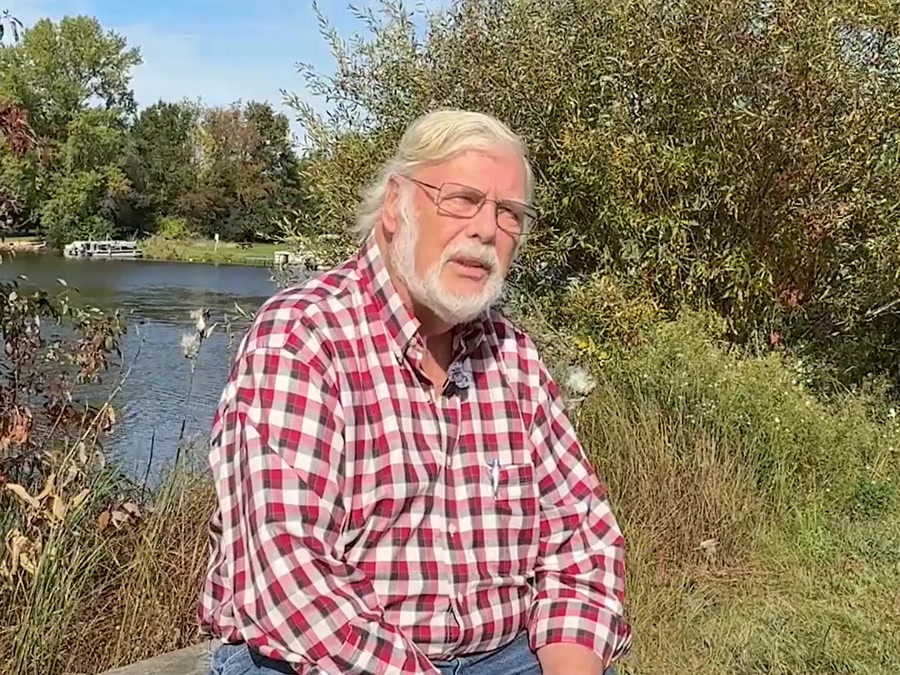
What really got me floored was when the hardness survey came back, and we removed a foot of muck. And then the clarity of the water. It was just night and day.Carl HasdelChairman, Tri-Lakes Management District
Before committing to all three lakes, the district tested Moleaer Nanobubbles in Lake Arrowhead’s isolated marina, with a control buoy in Lake Sherwood for comparison.
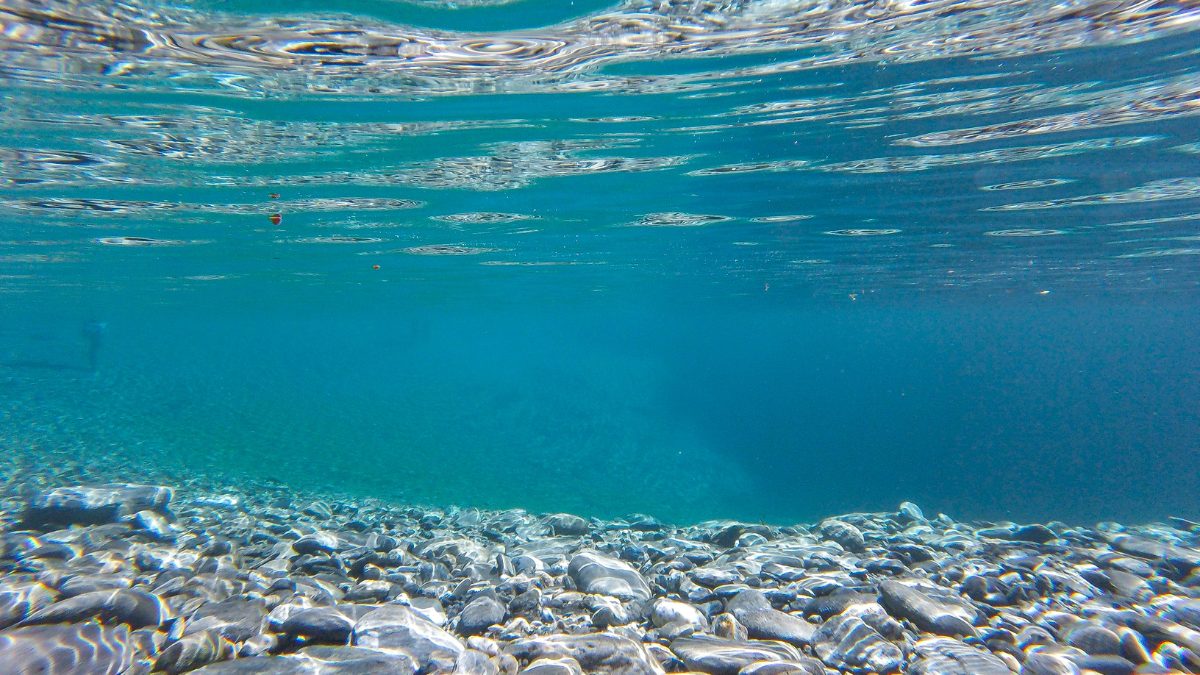
Water clarity improved by more than three feet over the treatment period, a change slip owners noticed.
Lake Arrowhead Marina pilotAfter two months of treatment, dissolved oxygen in the marina was double the level at the control buoy.
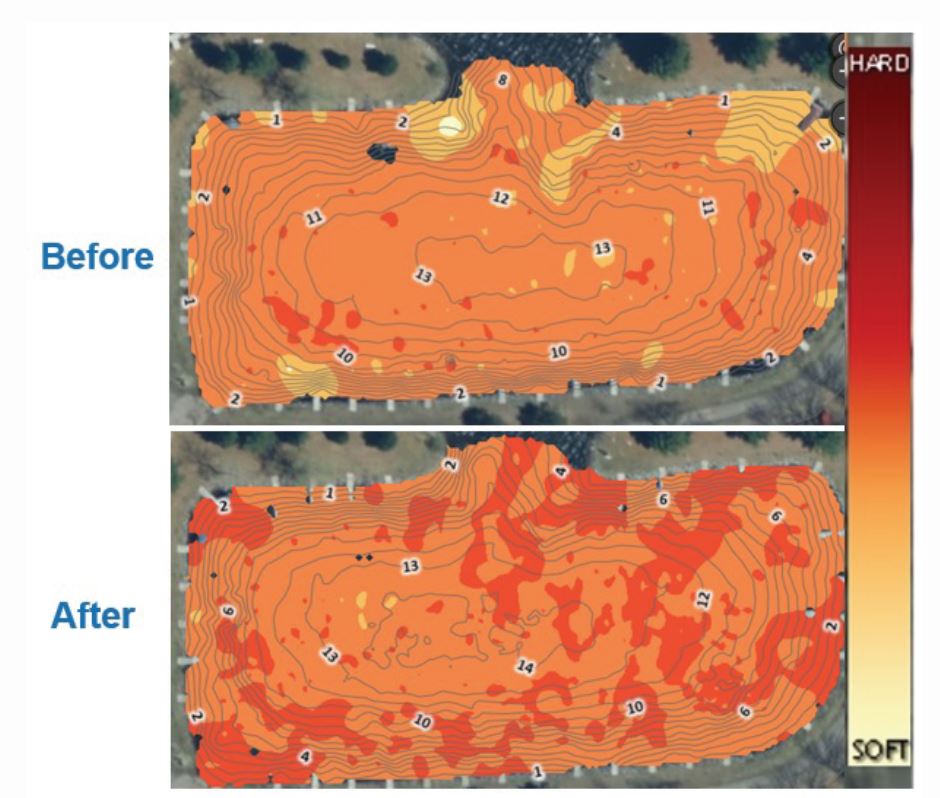
Marina vs. Lake Sherwood controlSediment hardness mapping showed improvement throughout the marina, attributed to reduced organic sediment, or muck.
Before vs. after treatmentResults describe the Lake Arrowhead Marina pilot as reported in the case study. They are not a guarantee of performance at other sites.
Explore the original charts from the Lake Arrowhead Marina case study, the 75-day pilot that led the district to treat its other lakes.
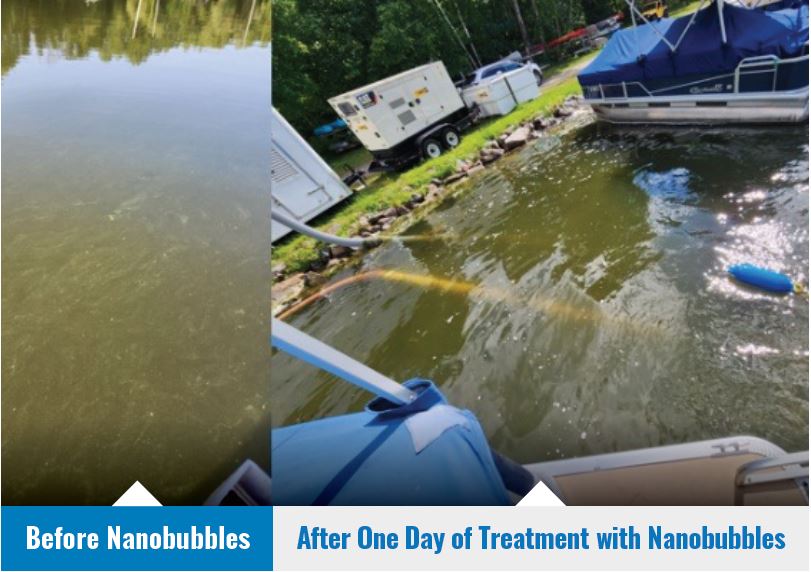
At installation, the water was so murky that the intake and discharge pipes could not be seen. Within one day of treatment, they were visible.
Over the treatment period, clarity improved by more than three feet, with less algae in the water column and on the surface, and more fish activity near the discharge pipe.
Sediment hardness maps before and after treatment showed improvement throughout the marina, with the hard bottom one foot deeper.
The change was attributed to reduced organic sediment and better bottom composition, driven by stronger natural lake processes.
After two months, dissolved oxygen in the marina was 100% higher than at the control buoy in Lake Sherwood, and it stayed above saturation near the sediment layer.
Oxygen levels also swung less from day to night than at the control, even in hotter weather. Beneficial bacteria that break down muck need this oxygen-rich environment to thrive.
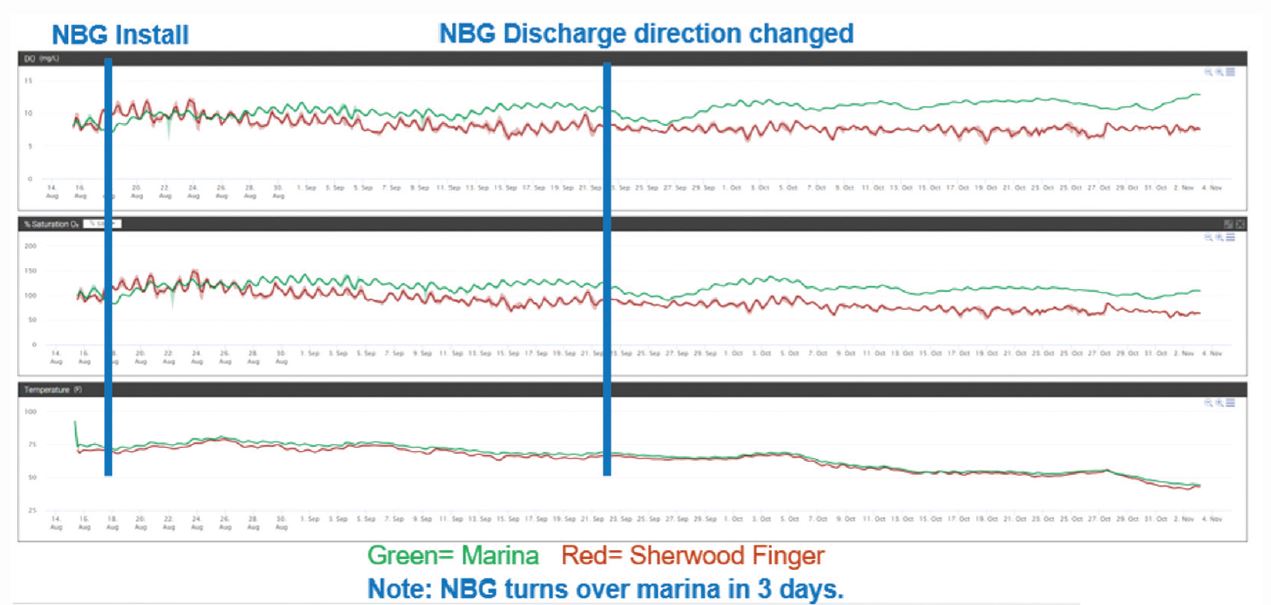
As treatment expanded beyond the marina, the district’s engineers recommended working with the University of Wisconsin–Stevens Point as an independent source. UWSP samples the lakes weekly while the systems run, and Moleaer’s annual review showed that the three units in place for more than 90 days were having the expected effect.
Review the pilot setup, baseline mapping, monitoring approach and observed outcomes that led to treatment across the Tri-Lakes.
A pilot in an isolated area gives a lake district measured results to share with its community before investing in a larger project. At Tri Lakes, the Lake Arrowhead Marina pilot was compared against a control buoy in Lake Sherwood.
Soft, organic sediment builds up when oxygen near the bottom is limited. Beneficial bacteria that break down muck need an oxygen-rich environment, so raising dissolved oxygen near the sediment supports the natural processes that improve sediment hardness and water clarity.
Restoration is a process. The Tri Lakes took decades to reach their current condition, and the district expects it to take time to bring them back. Ongoing, independent monitoring tracks progress season by season.
Every lake has different oxygen demand, nutrient inputs, hydrology and management goals. Tri Lakes provides a documented example; a site assessment is needed to determine the right approach for another waterbody.
Tell us about your lake, the changes you’re seeing and your water-quality goals. Connect with a Moleaer surface water expert to discuss the next step.
Talk to a surface water expert →


 EN
EN