

























0.09 → 7.02
mg/L near-bottom oxygen
Median daily minimum dissolved oxygen increased during treatment.
2025 untreated → 2026 treated


























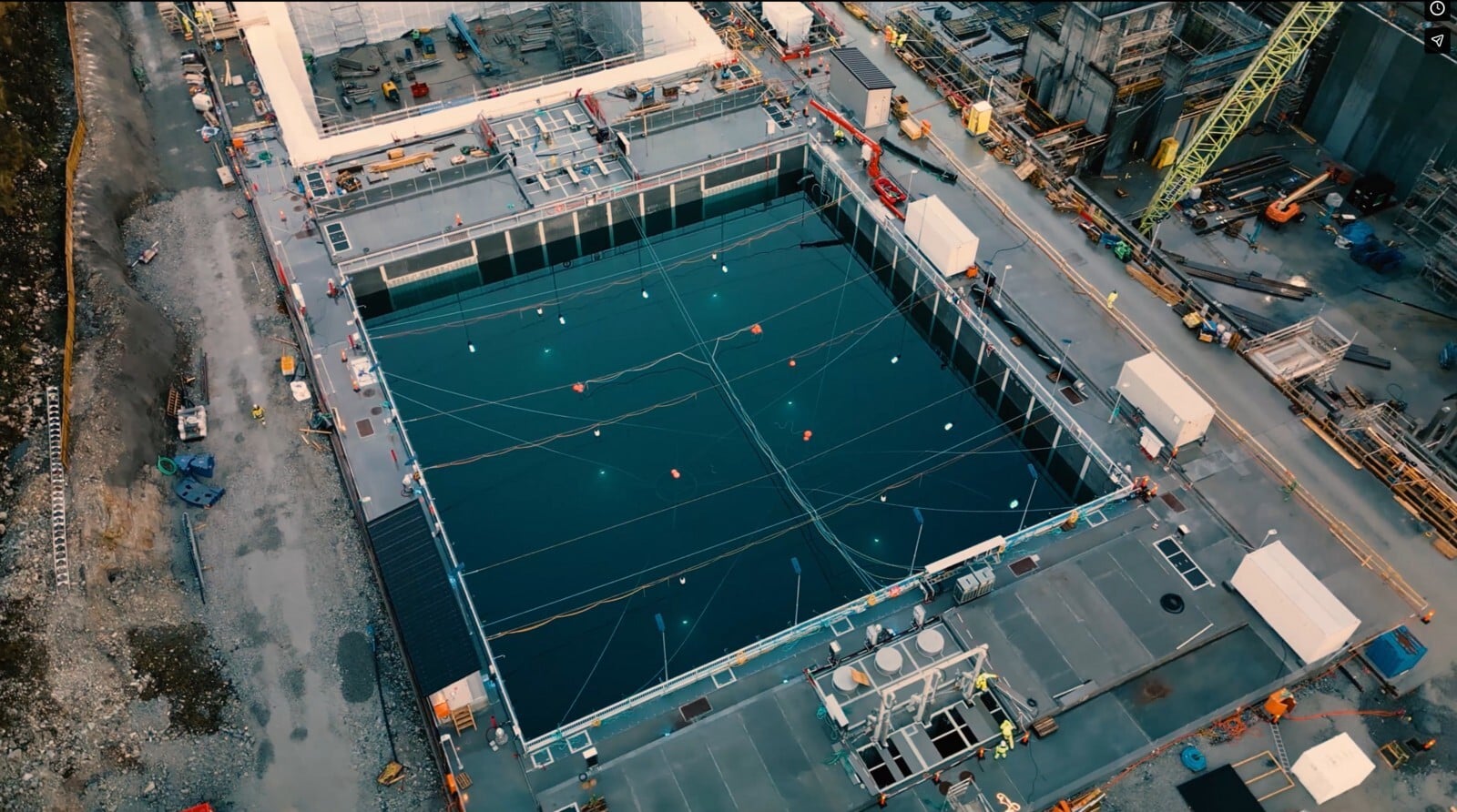
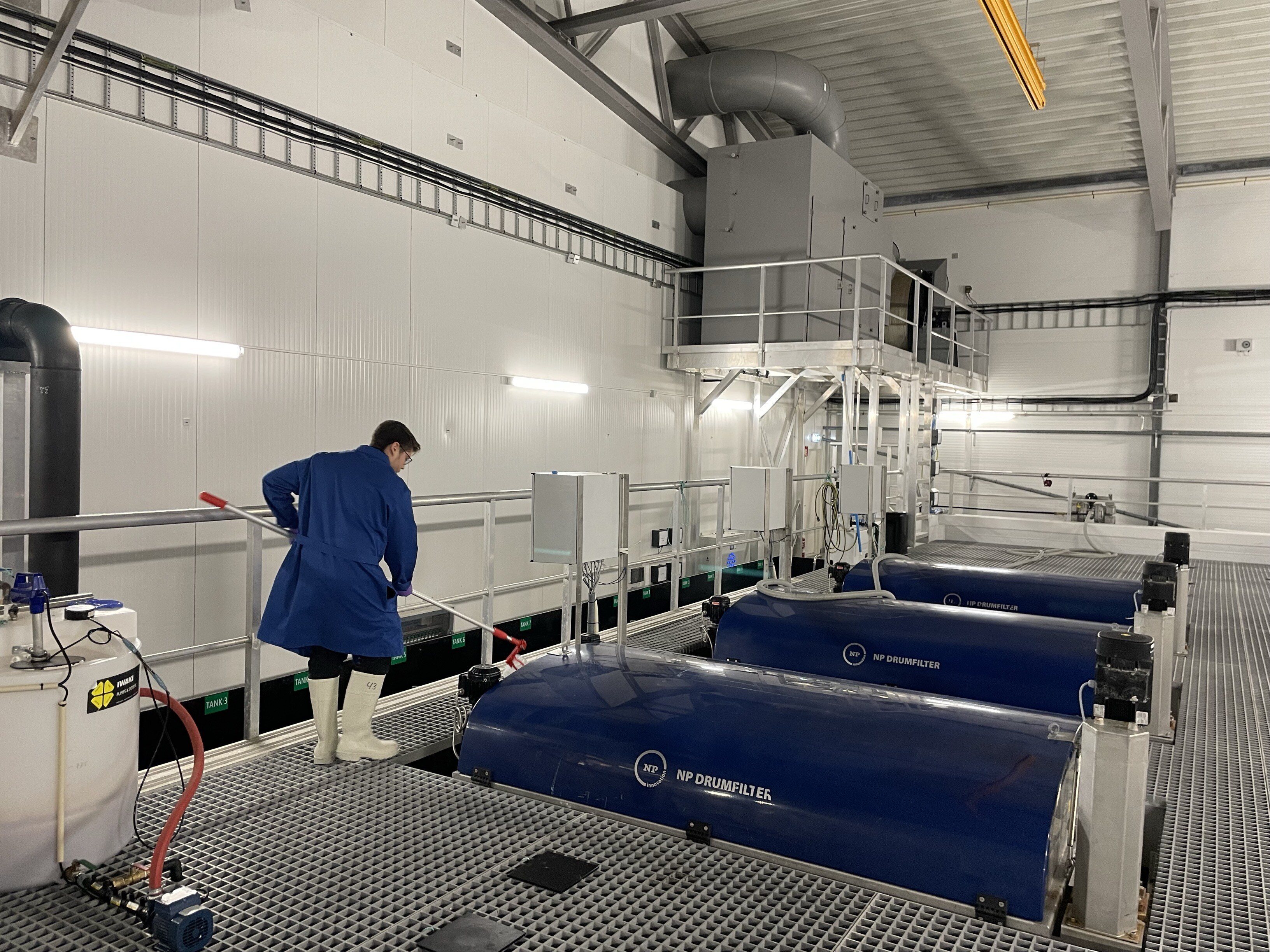
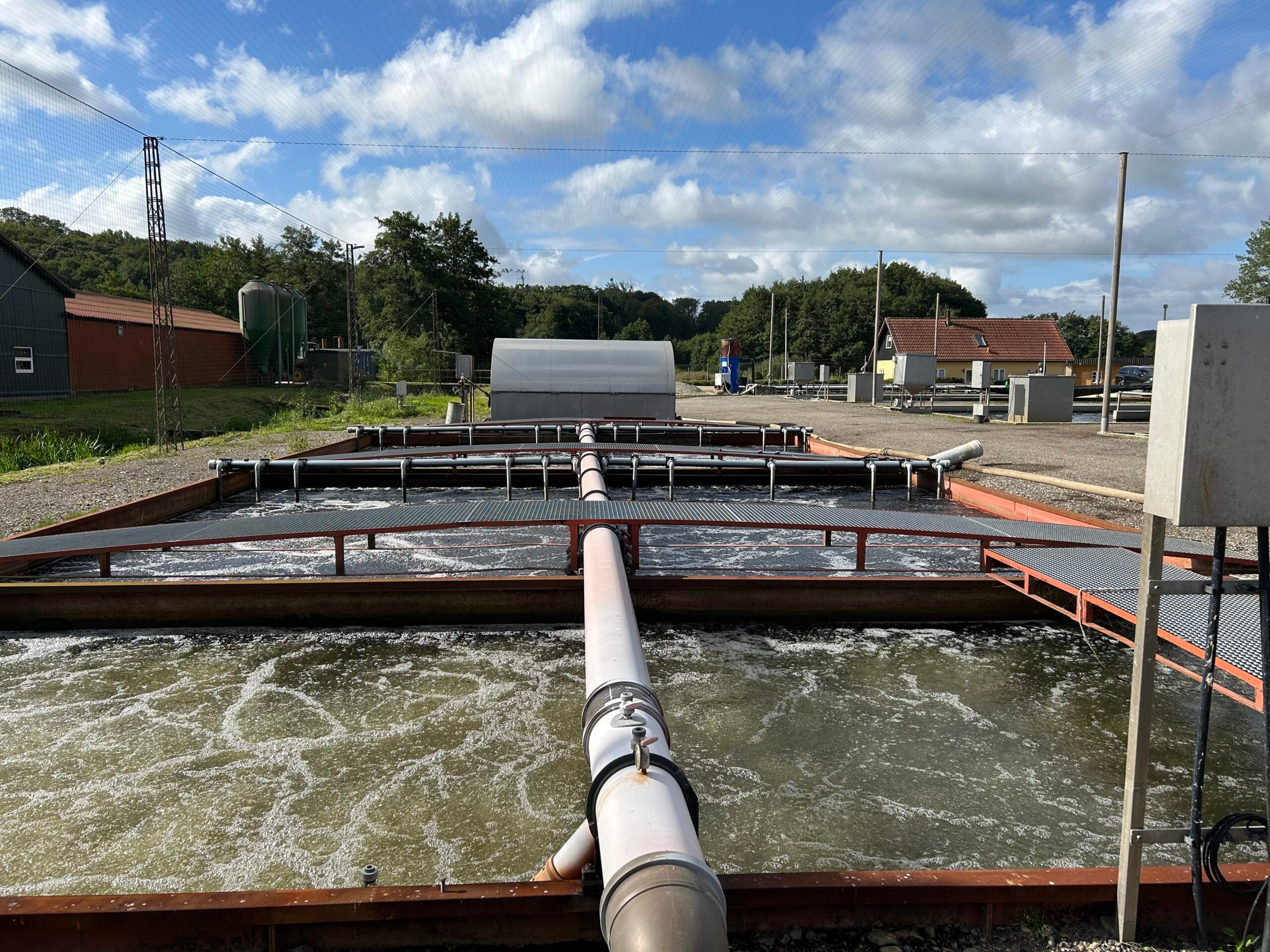






Monitoring compared the untreated 2025 season with the 2026 treatment season. The clearest change: oxygen stayed available near the reservoir bottom.
Median daily minimum dissolved oxygen increased during treatment.
2025 untreated → 2026 treatedDays with near-bottom dissolved oxygen below 1 mg/L fell to zero.
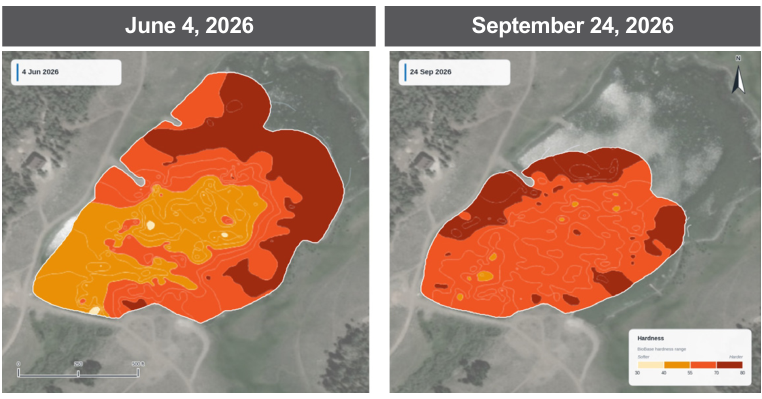
2025 untreated → 2026 treatedAcoustic mapping showed firmer lake-bottom conditions during treatment.
June → September 2026Results describe this reservoir and the monitoring periods reported in the case study. They are a comparison between seasons, not a guarantee of performance at other sites.
Watch the full Magleby testimonial, with the owner’s perspective, reservoir footage and a closer look at monitoring.
“Our observations are that the water quality has increased significantly.”Paul Magleby Reservoir Co-Owner
Each summer, excess algae growth raised concerns about water quality and the health of Magleby Reservoir’s stocked fish population.
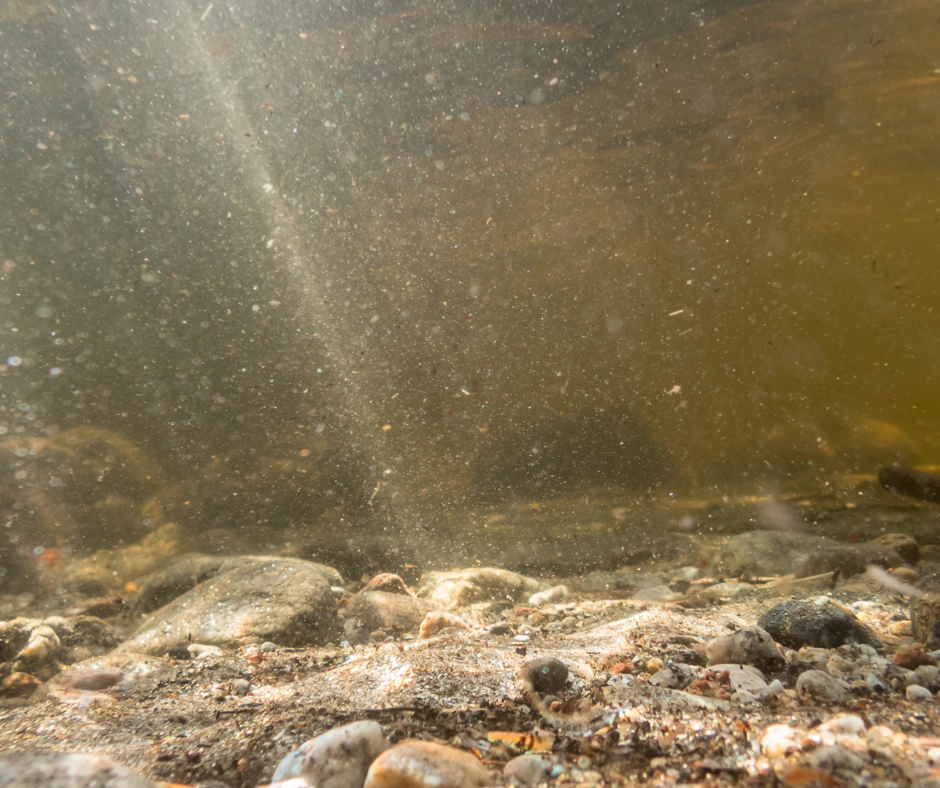
Monitoring in 2025 revealed a problem beneath the surface: oxygen near the lake bottom was severely depleted for much of the summer. Low-oxygen conditions can allow sediments to release phosphorus back into the water, adding nutrients that fuel algal growth.
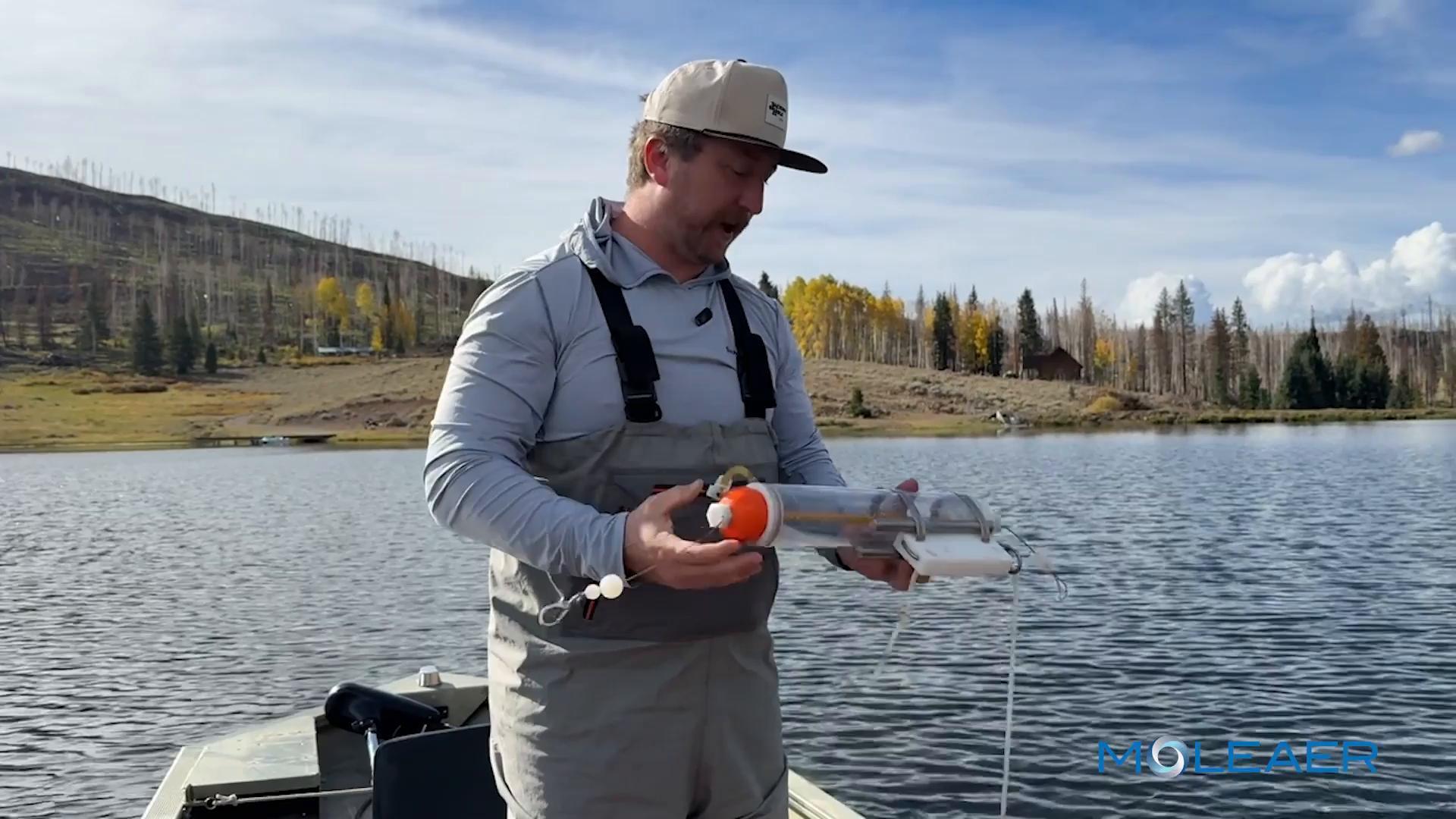
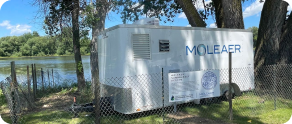
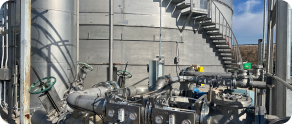
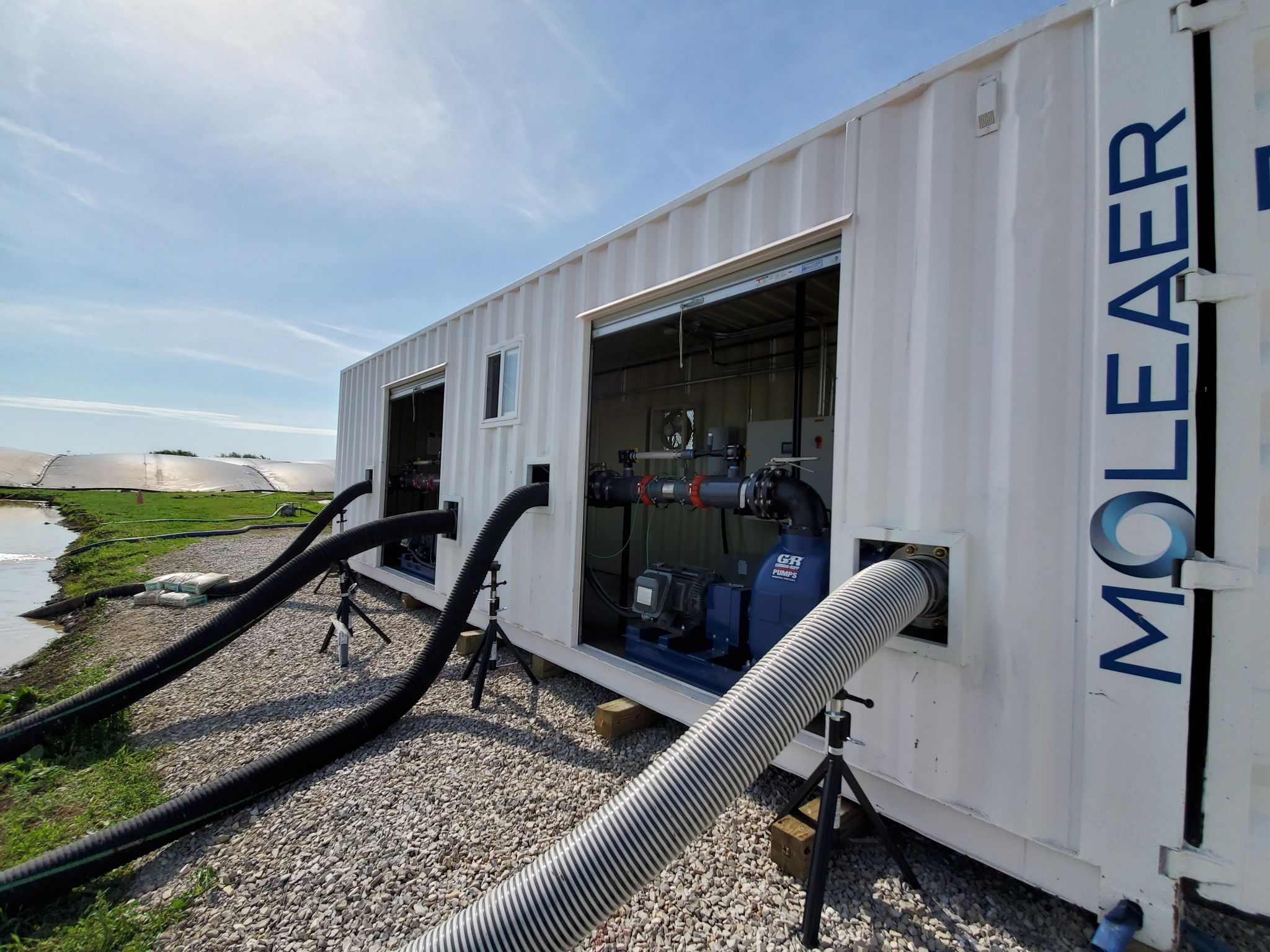
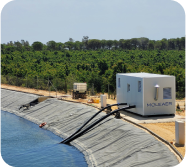
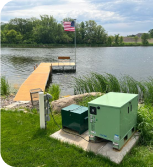
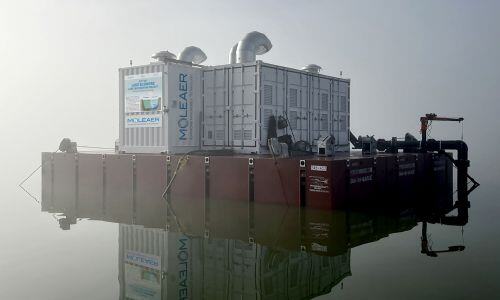
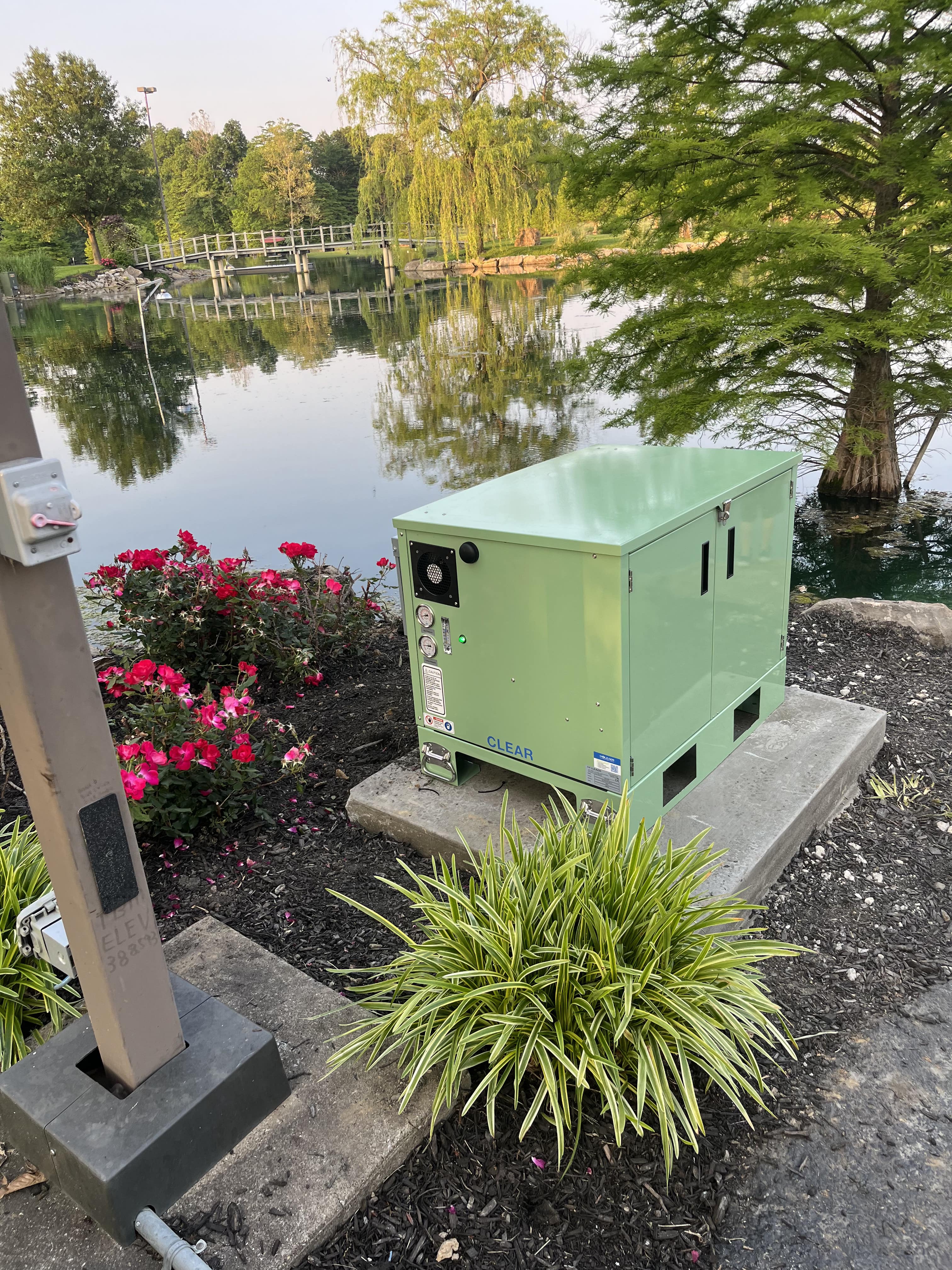
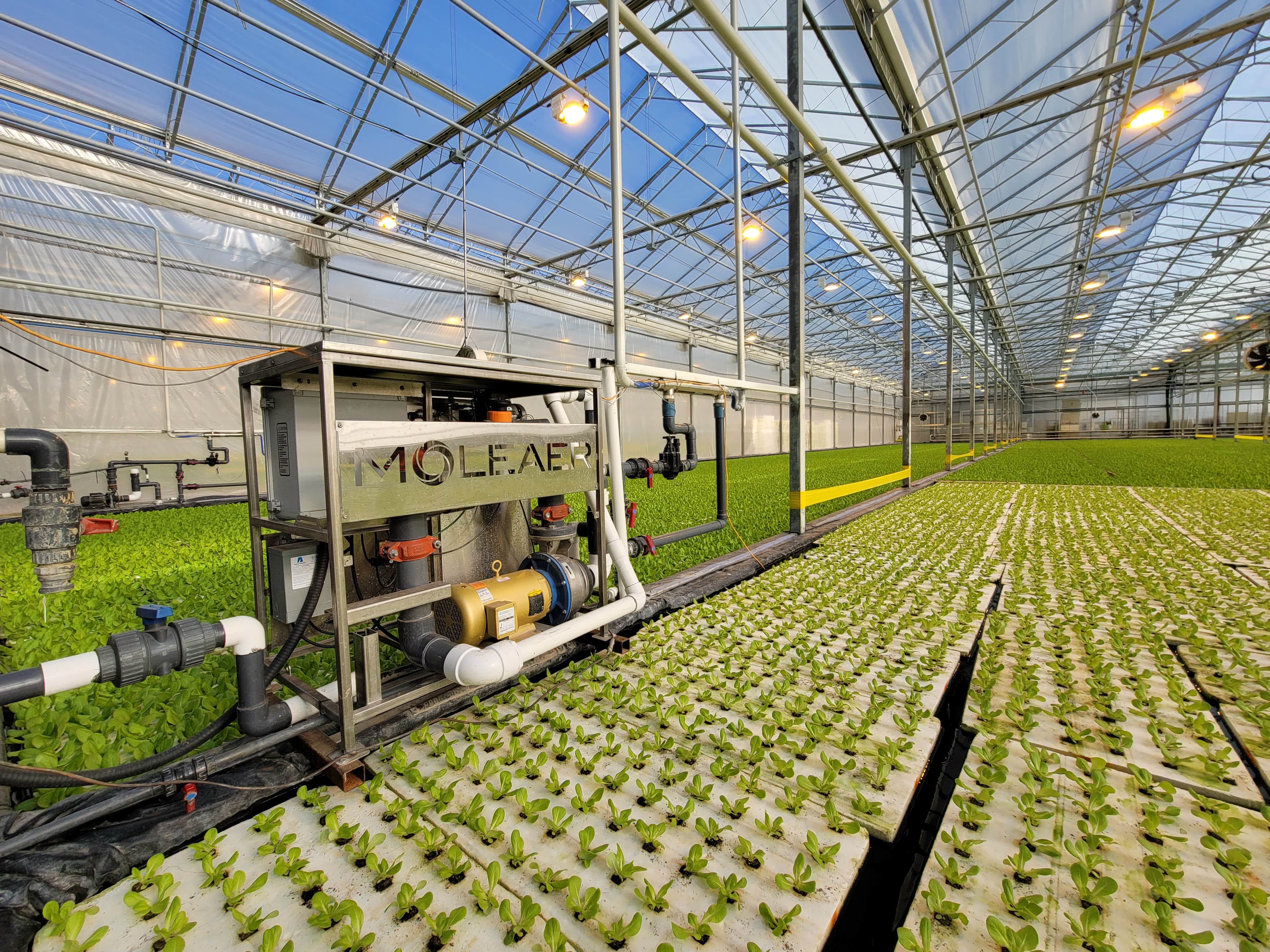
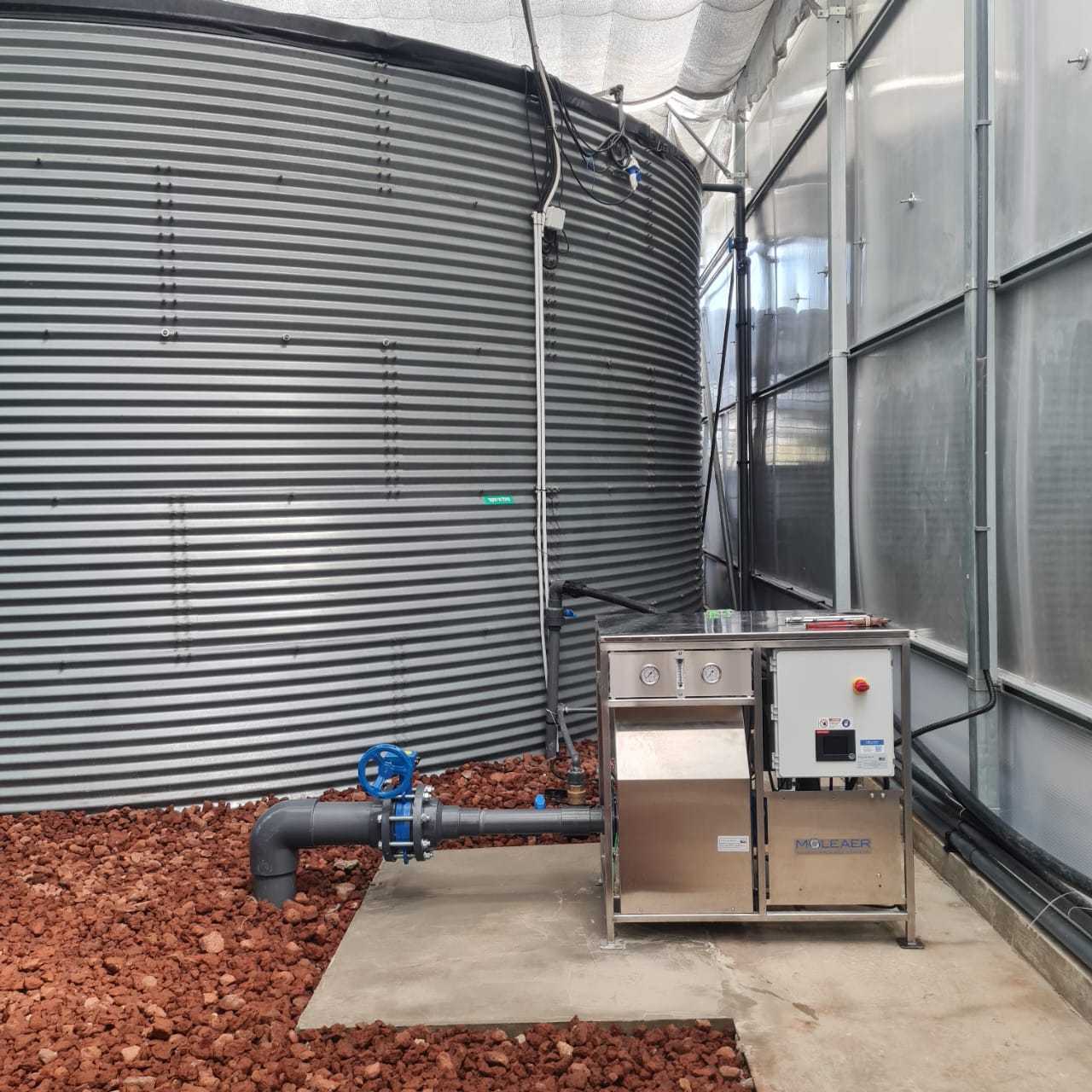
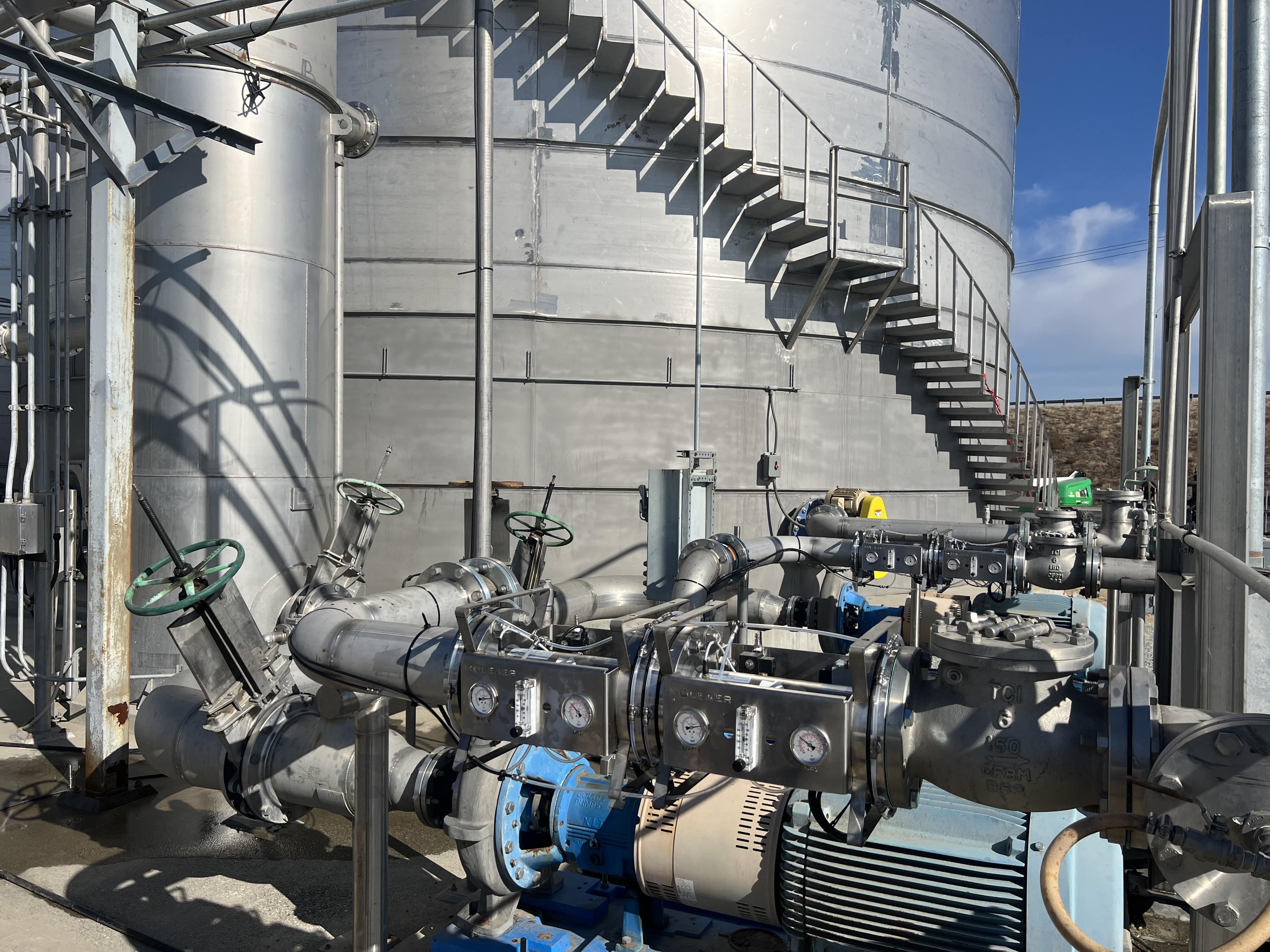
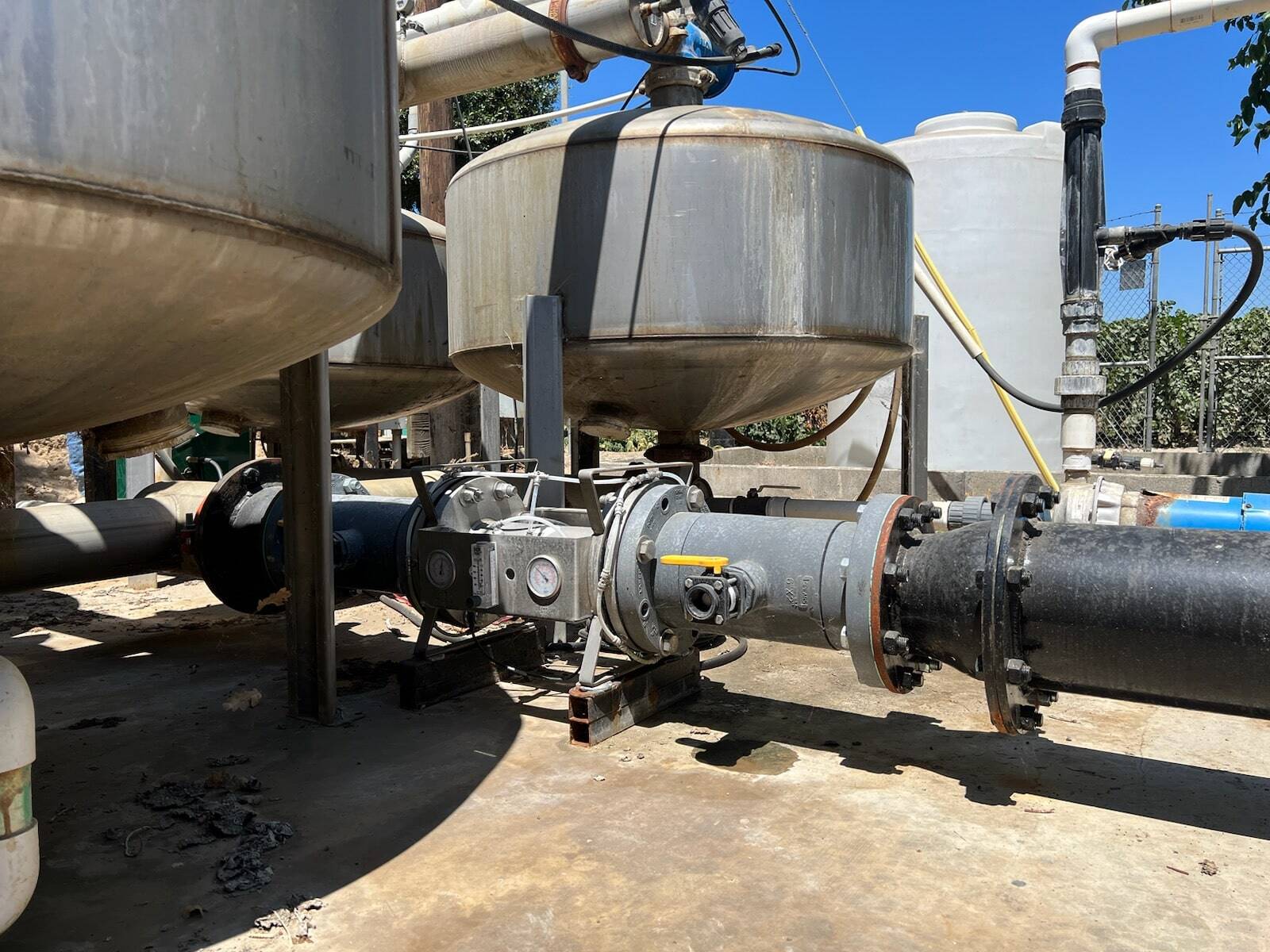
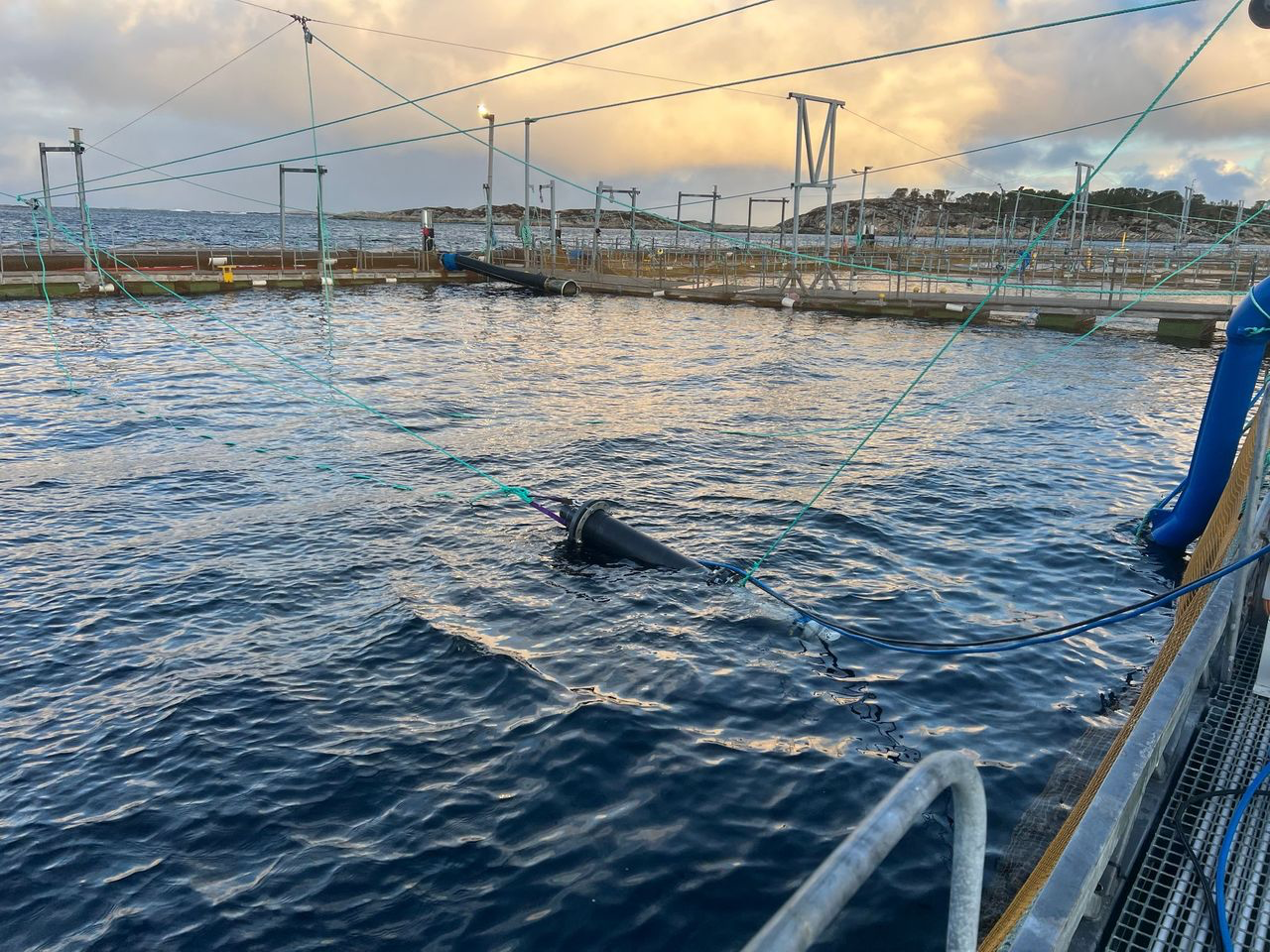
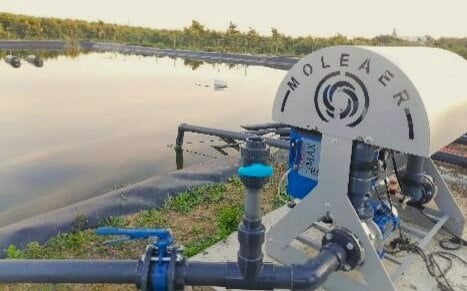
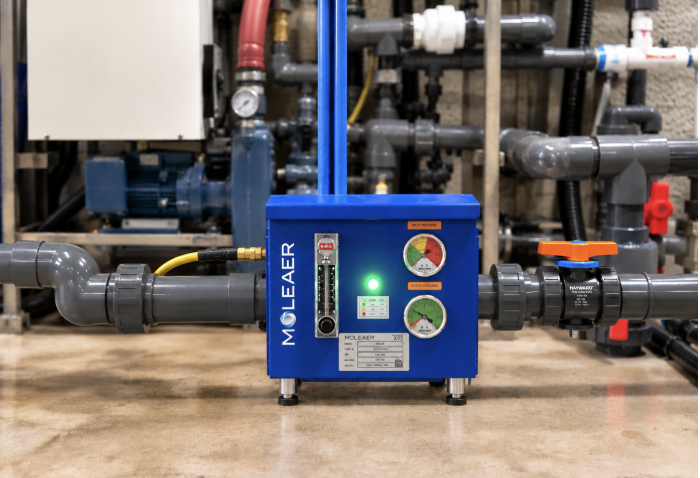
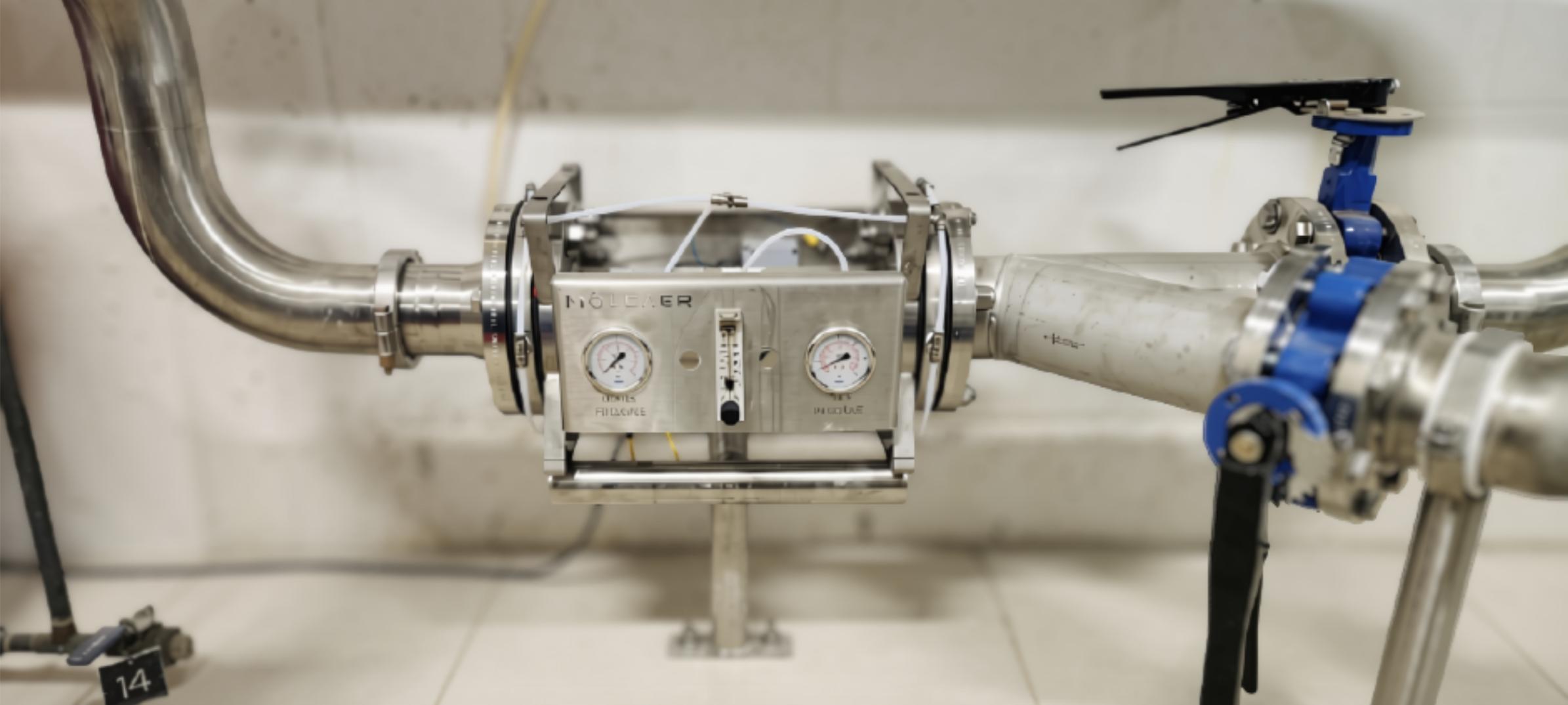
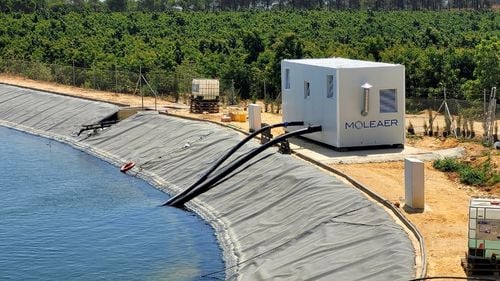
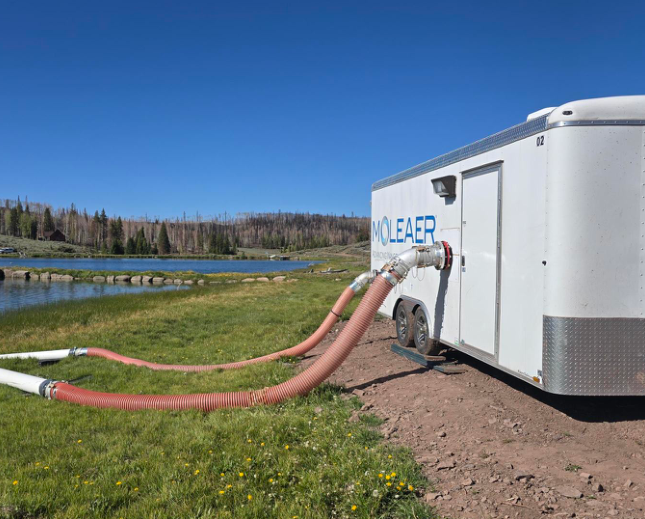
Moleaer’s system withdraws reservoir water, enriches it with oxygen nanobubbles and returns it to the reservoir at a flow rate of up to 1,000 gallons per minute.
The project paired nanobubble oxygenation with water-quality monitoring and freshwater ecology expertise to evaluate changes in oxygen, sediment conditions and water clarity.
Explore Moleaer surface water solutions →Explore the original charts and BioBase maps from the technical case study.
The share of days meeting the case study’s 4 mg/L oxygen benchmark rose from 7% in the untreated season to 94% during treatment.
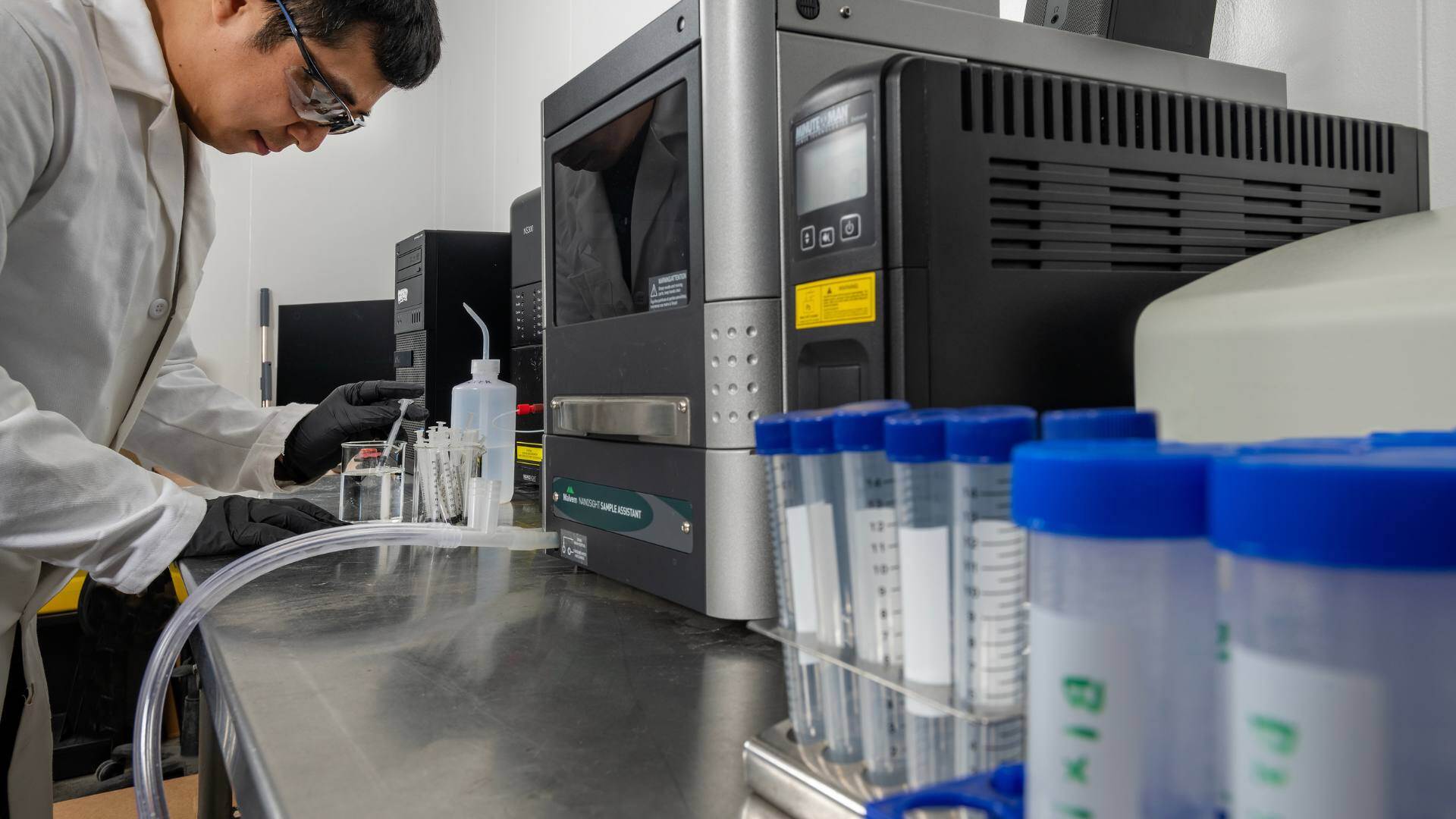
PME miniDOT loggers recorded dissolved oxygen and temperature at 10-minute intervals, capturing conditions beyond individual sampling visits.
See the full data in the case study →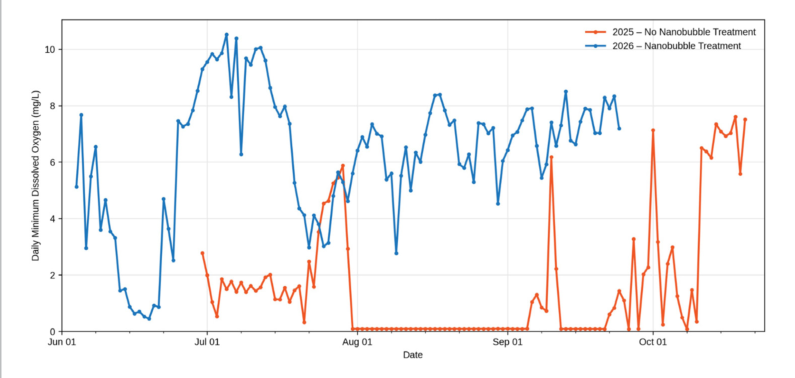
Sediment hardness increased by approximately 20%, with 88% of mapped areas becoming firmer during the 2026 treatment season.
No significant change in sediment hardness was recorded during the untreated 2025 season. These observations show improved bottom conditions alongside sustained oxygen availability.
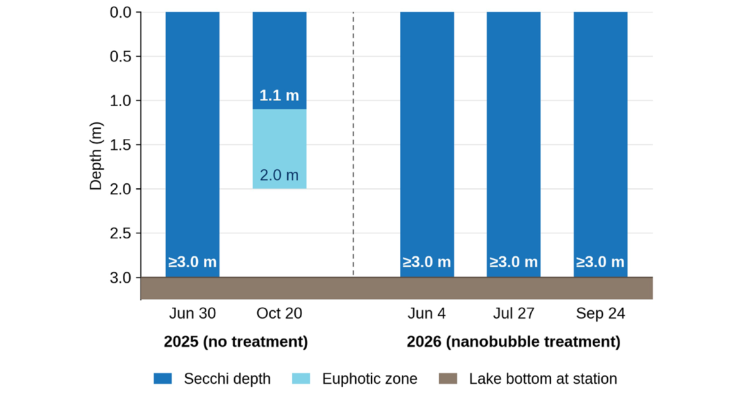
The lake bottom was visible during every 2026 monitoring visit, including after significant summer storms.
In comparison, water clarity had declined to 1.1 meters by the final October 2025 monitoring visit. Water chemistry monitoring during treatment showed no evidence of internal nutrient release.
At Magleby Reservoir, PME miniDOT® loggers recorded dissolved oxygen and temperature every 10 minutes. These measurements captured conditions between site visits and provided the oxygen data used to compare the untreated and treatment seasons.
Learn about PME miniDOT® loggers →Review the monitoring methods, seasonal comparisons, BioBase maps and observed outcomes.
Tell us about your waterbody, the changes you’re seeing and your water-quality goals. Connect with a Moleaer surface water expert to discuss the next step.
Talk to a surface water expert →


 EN
EN