




















30%
Average aeration energy savings
Compared with the plant’s historical annual aeration operating costs.





















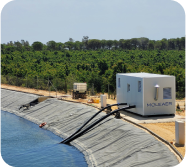
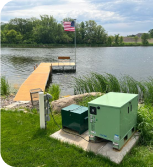
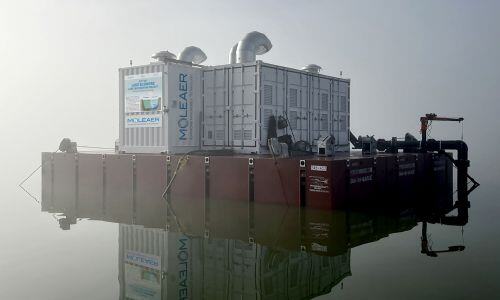
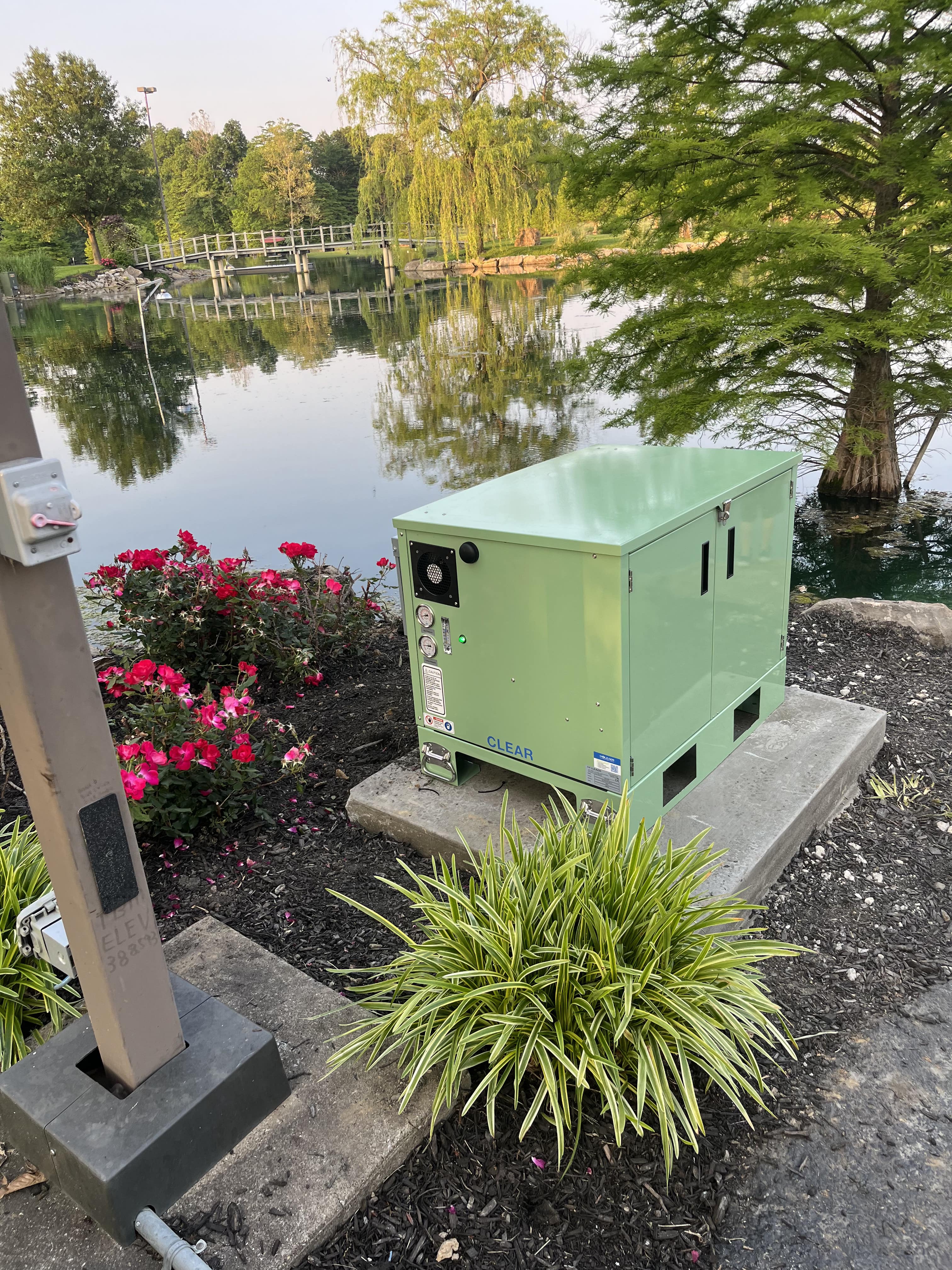
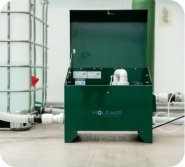
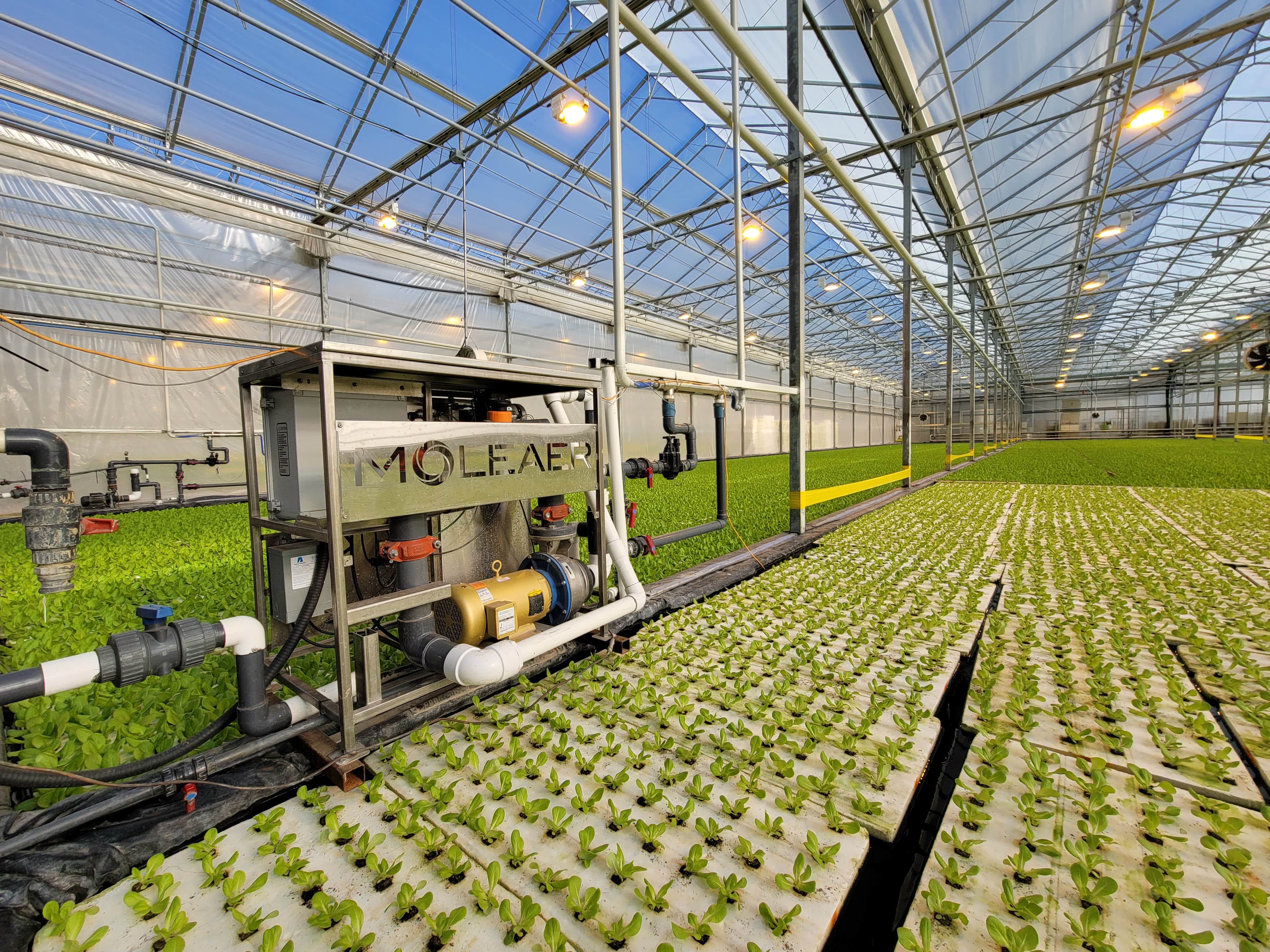
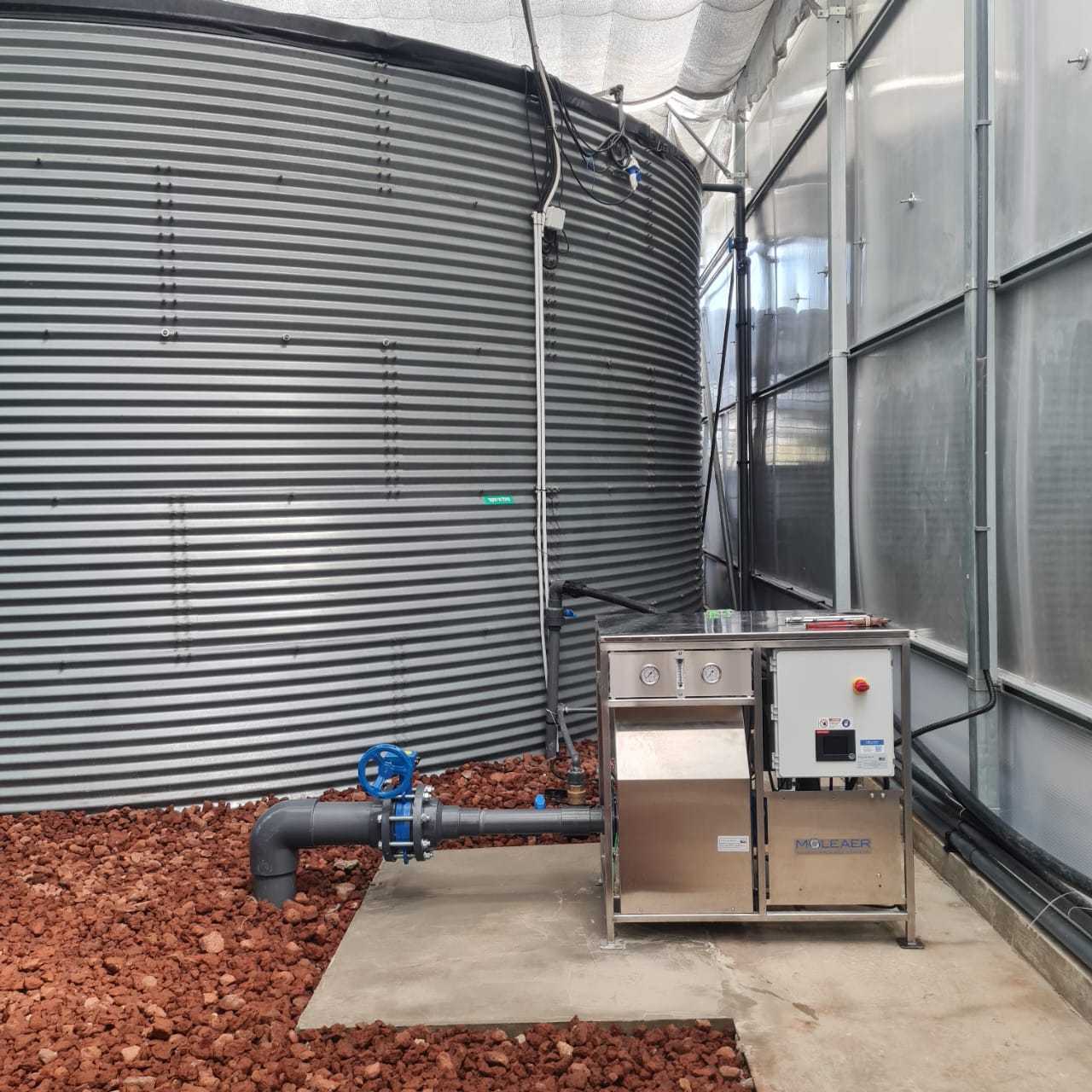
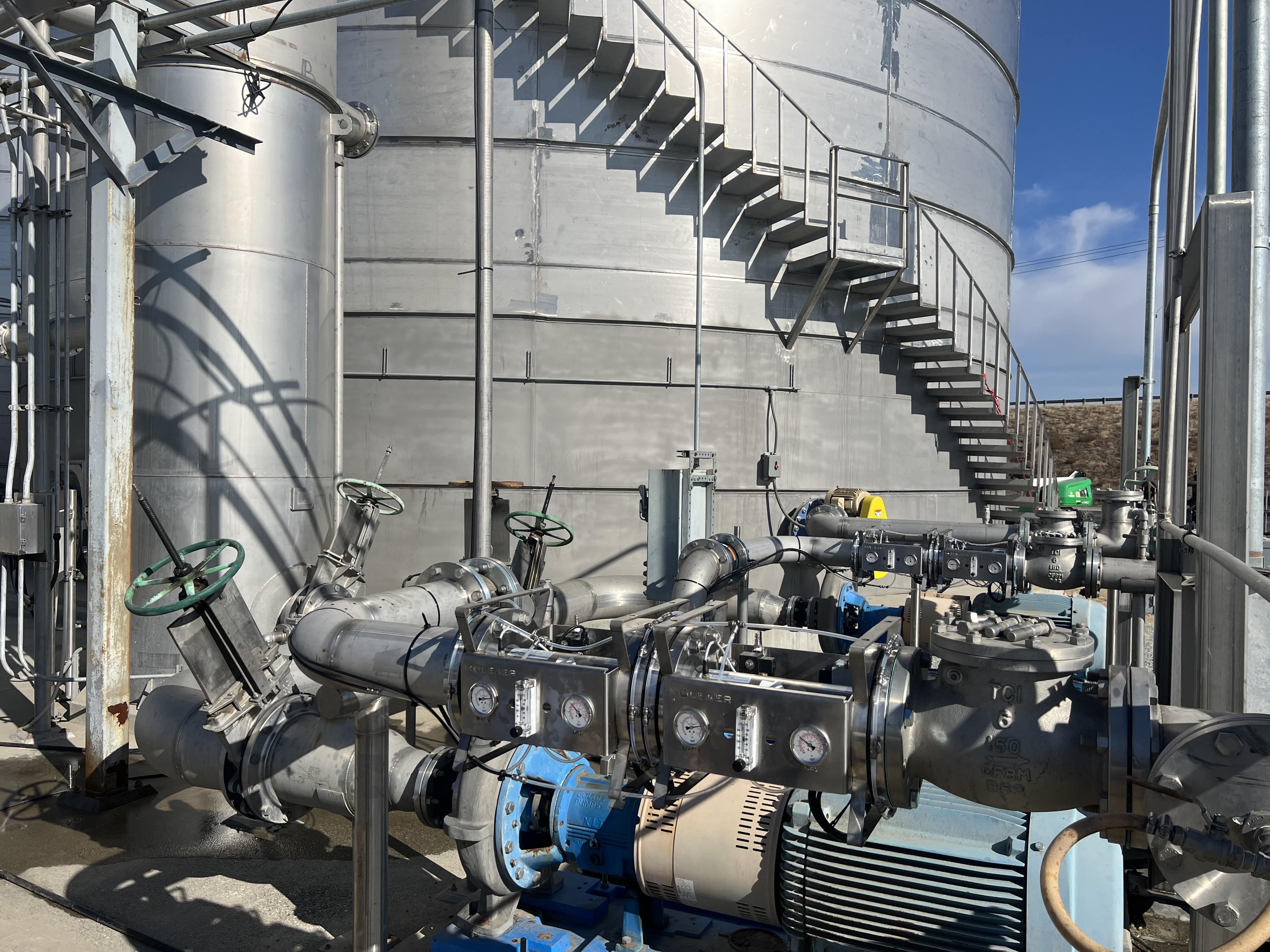
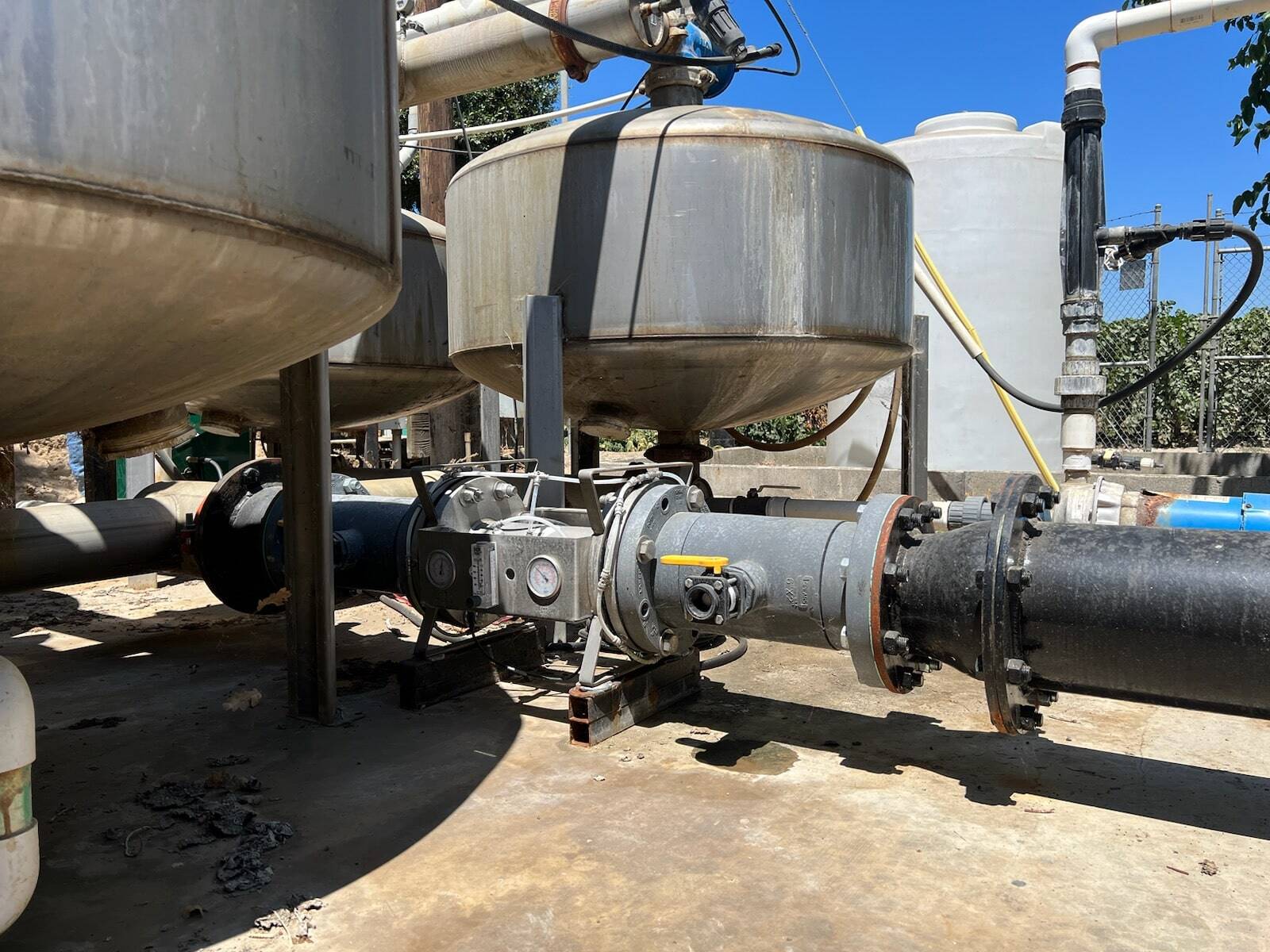
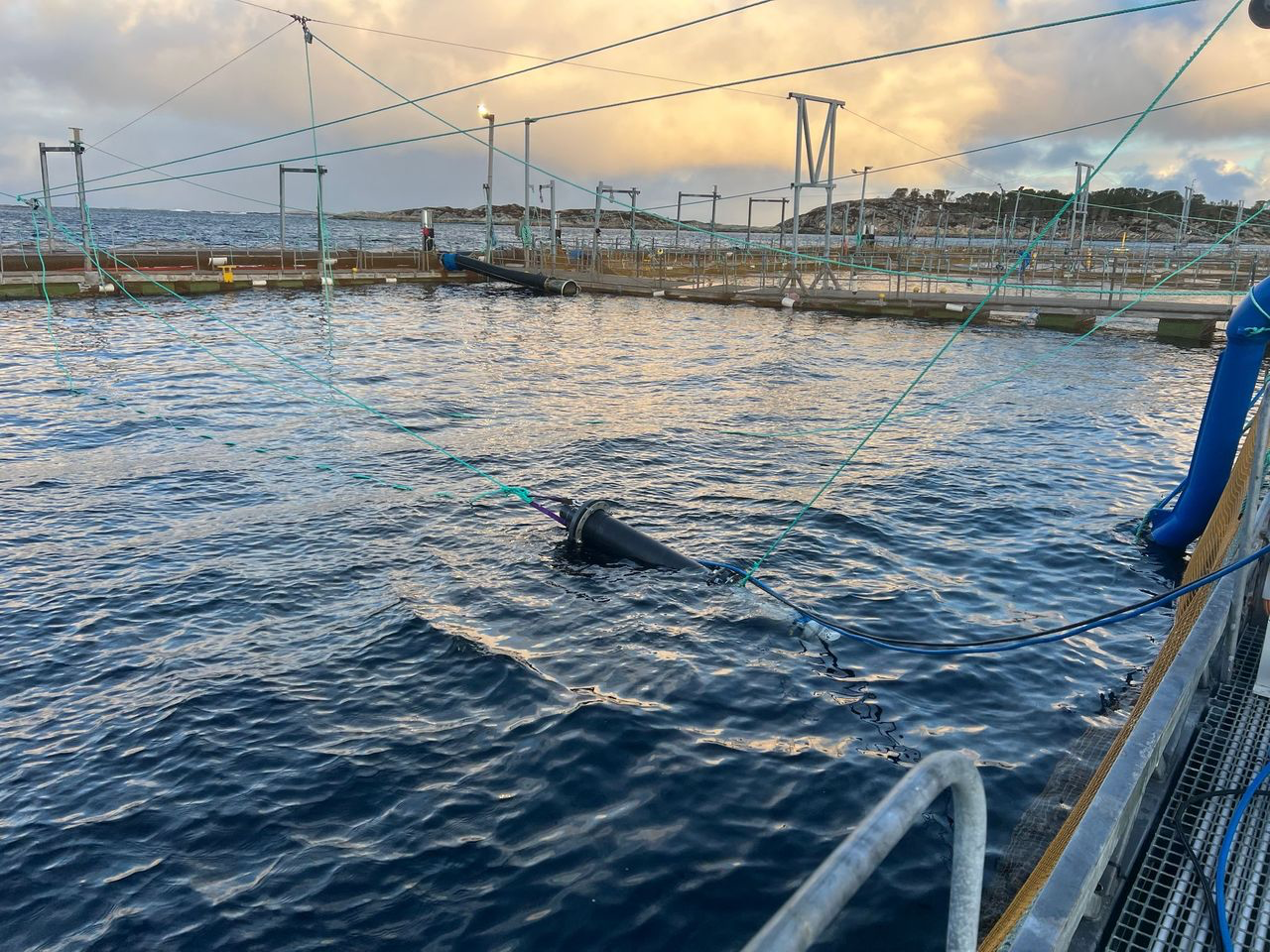
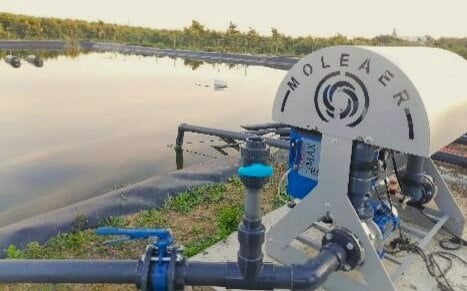


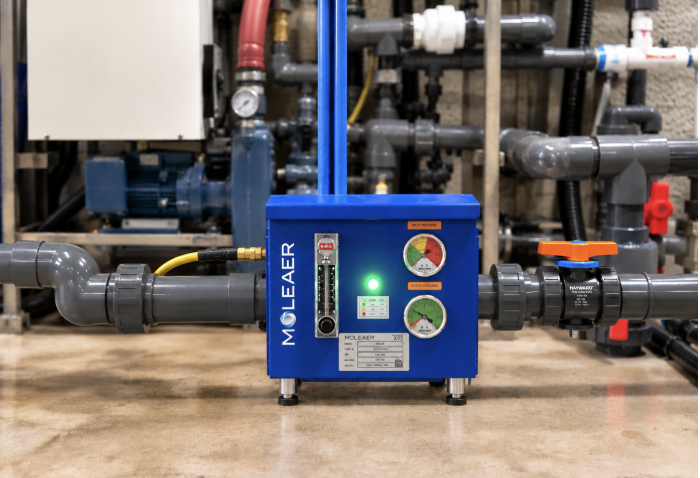
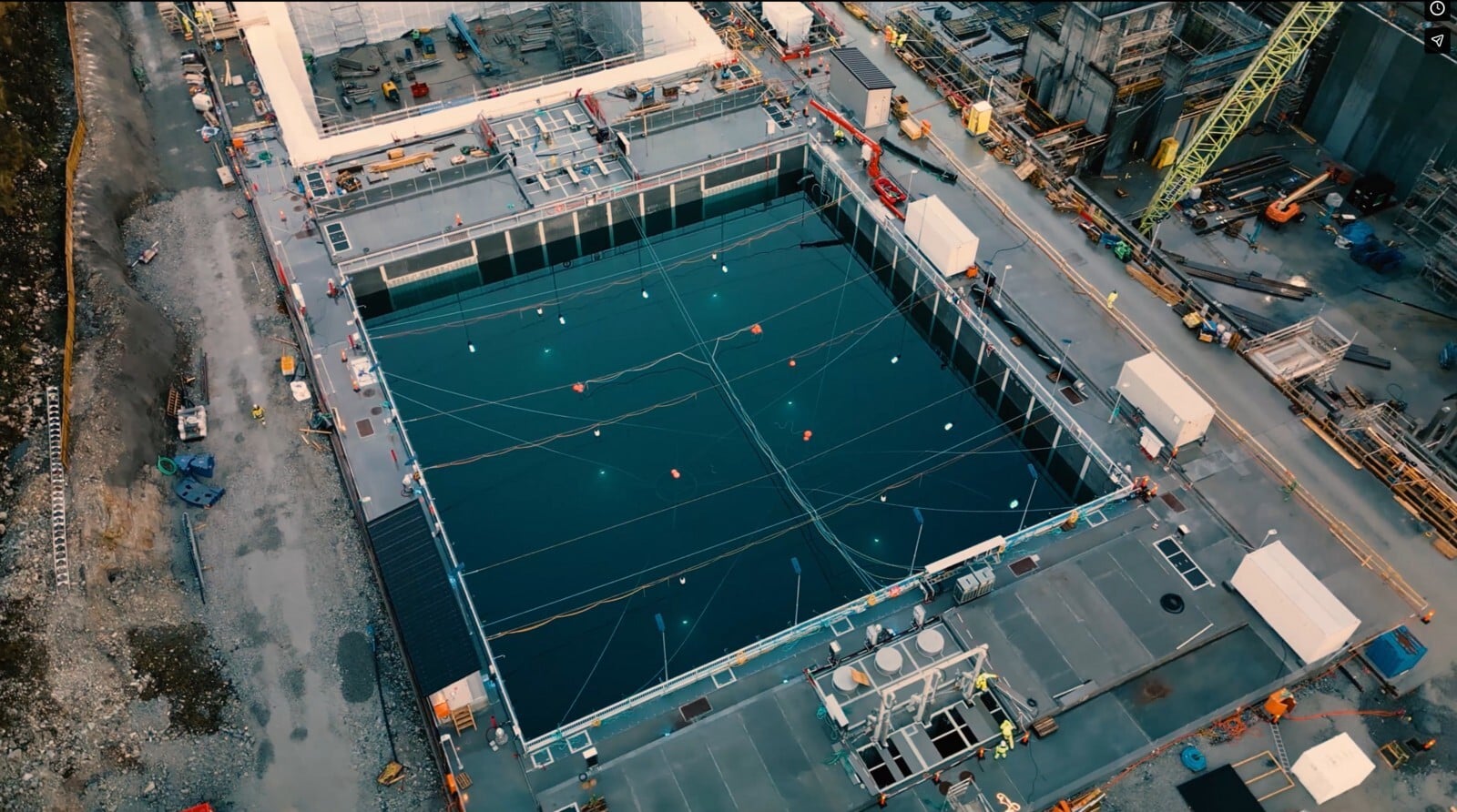
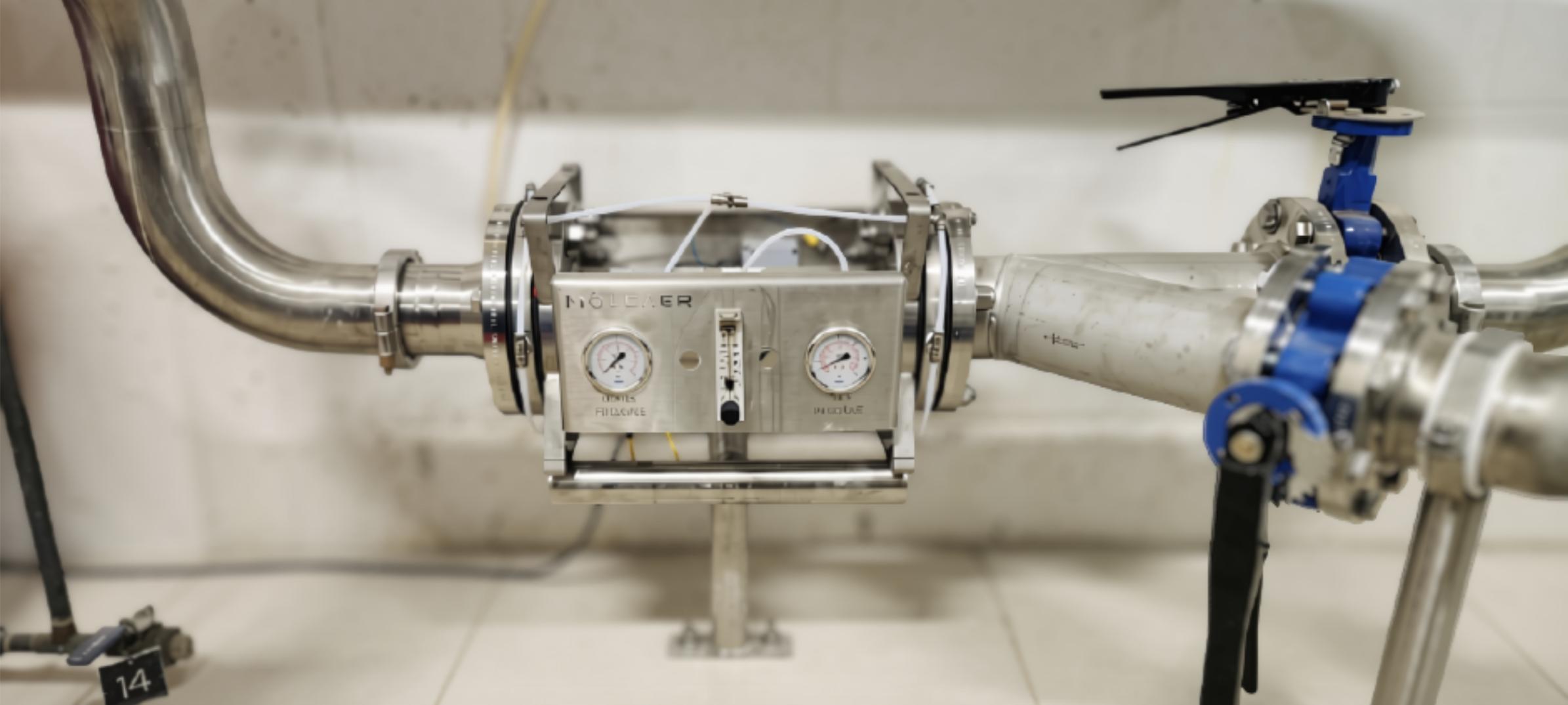
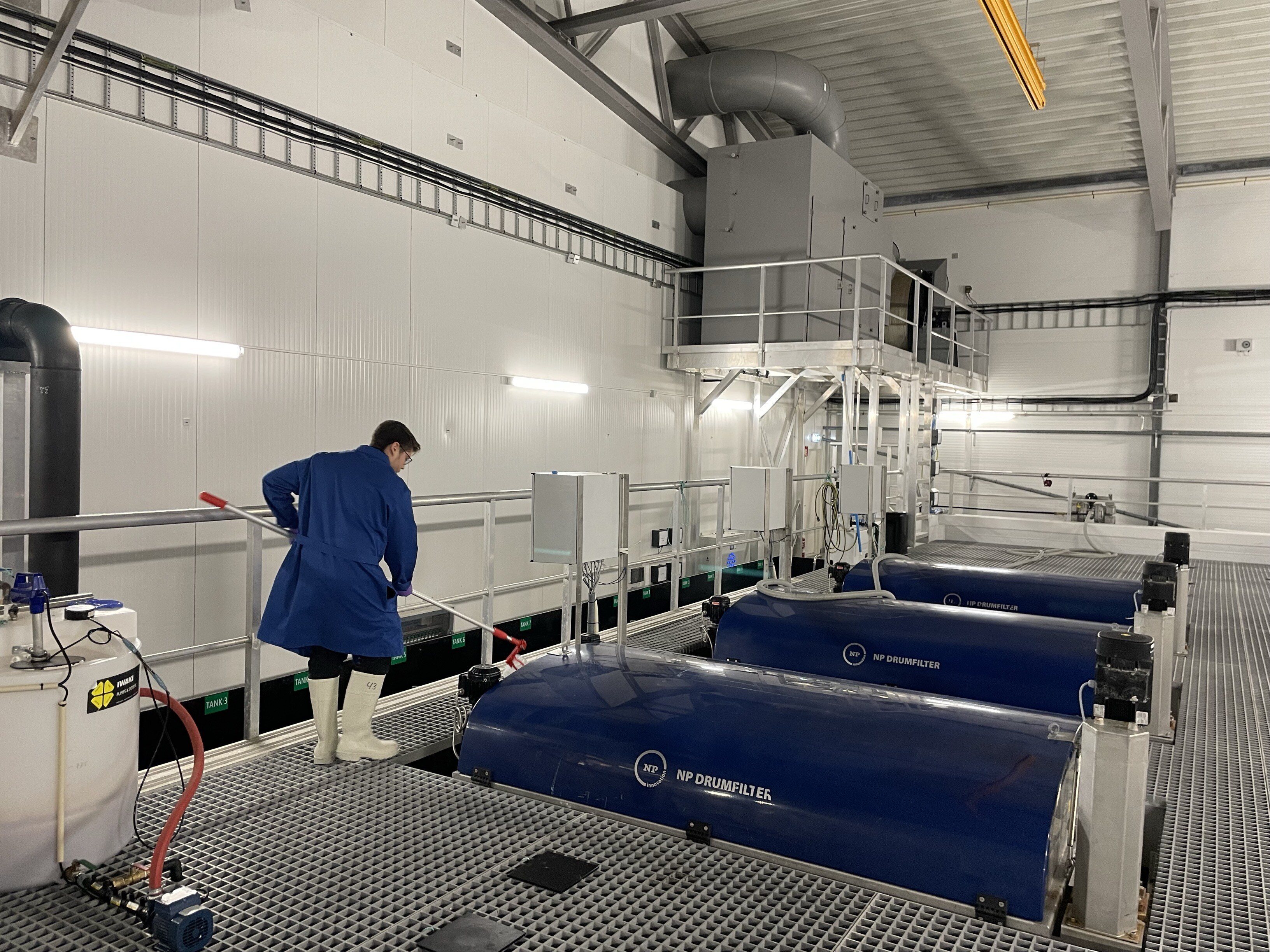
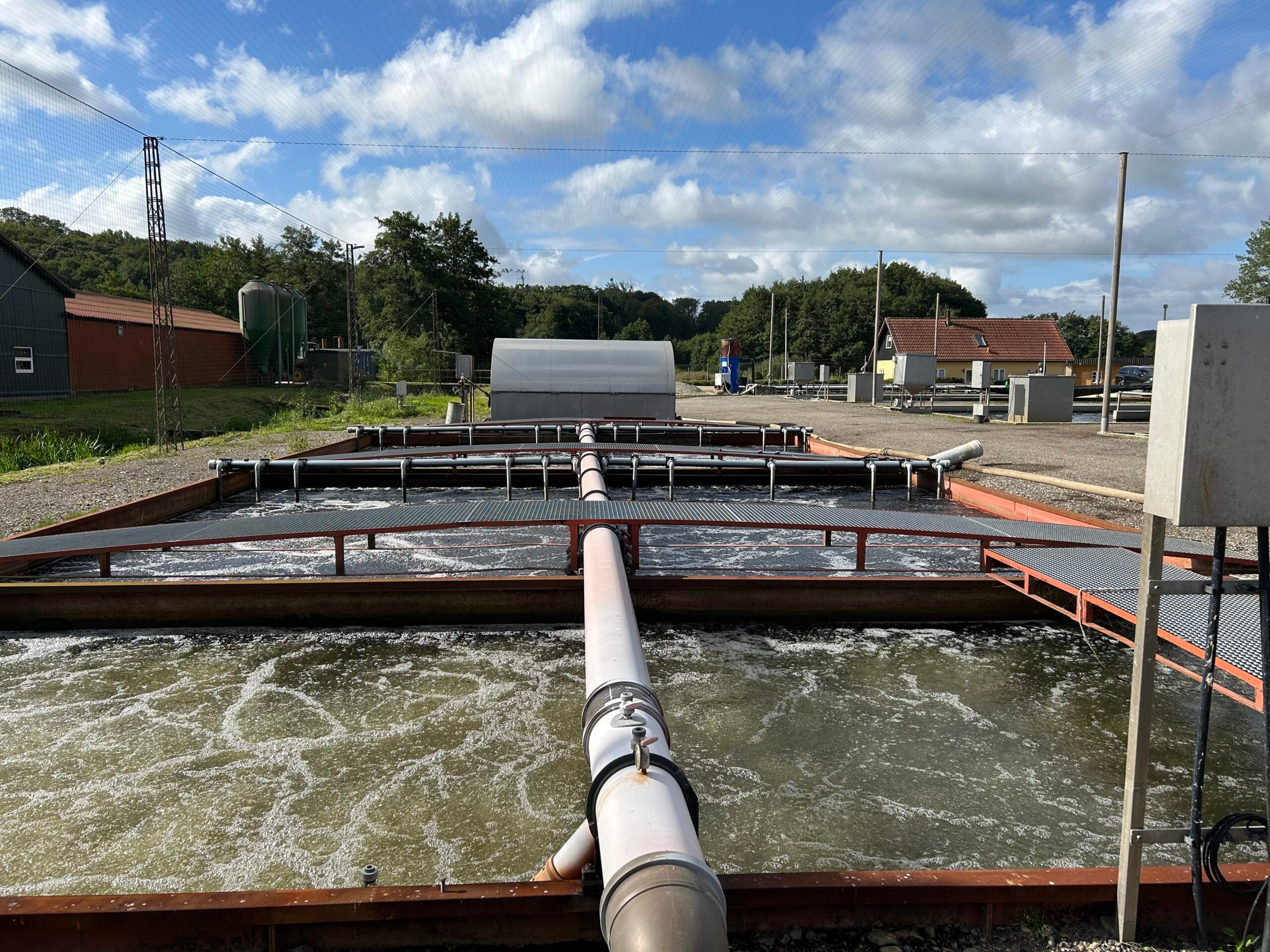
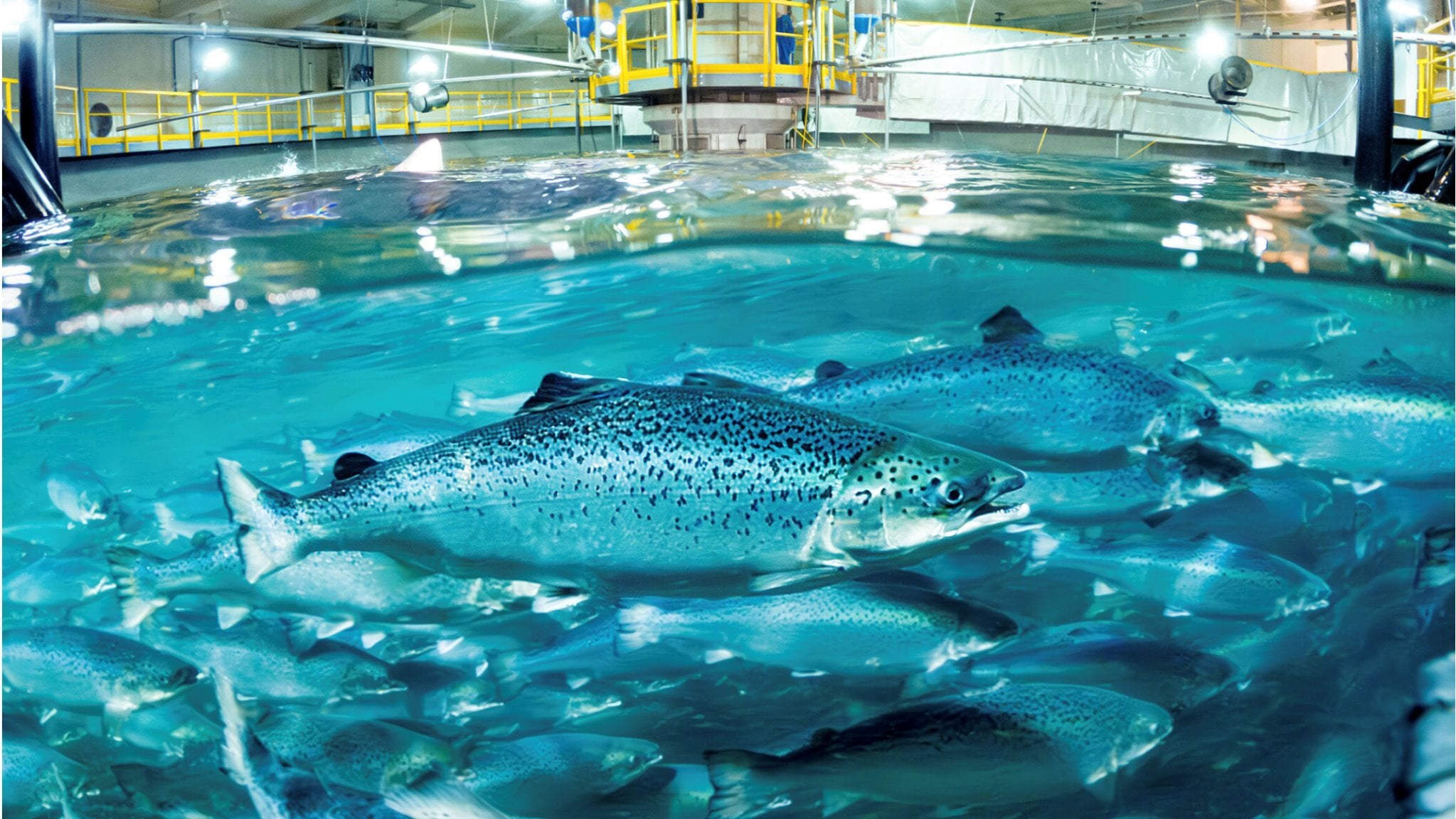
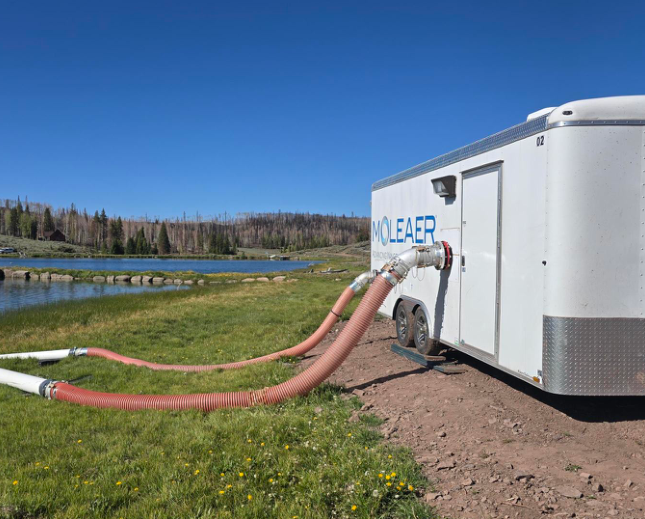



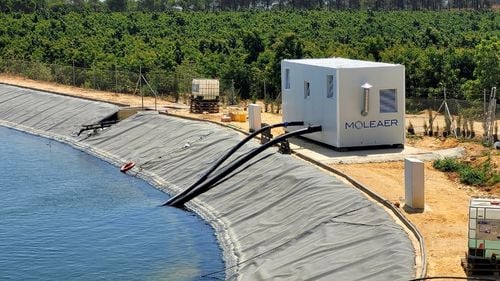

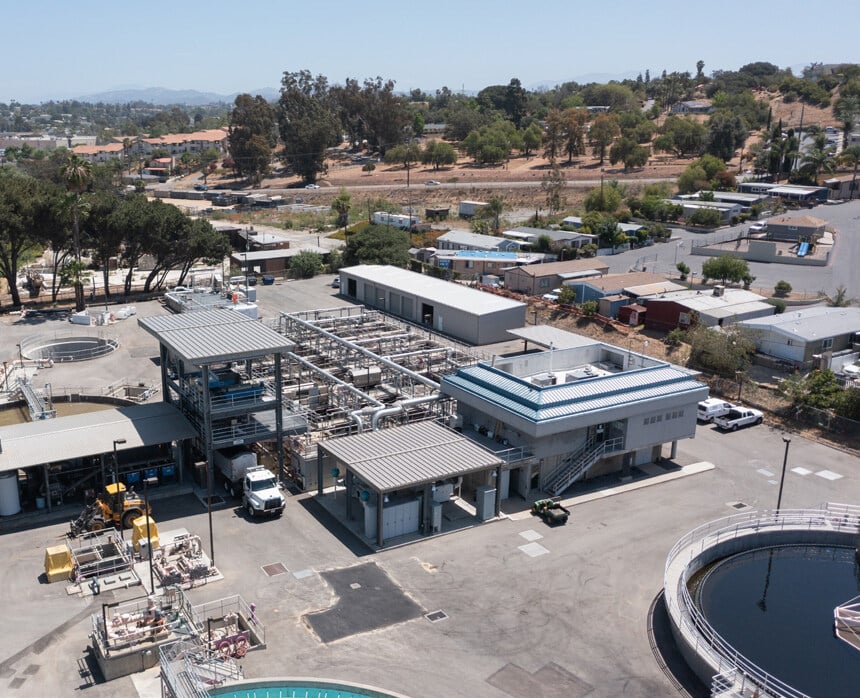
The plant serves approximately 25,000 residents. During the evaluations, a 1,800 GPM Moleaer nanobubble generator treated an average influent flow of 1.4 million gallons per day.
Compared with the plant’s historical annual aeration operating costs.
FPUD reported the gain after surfactant removal.
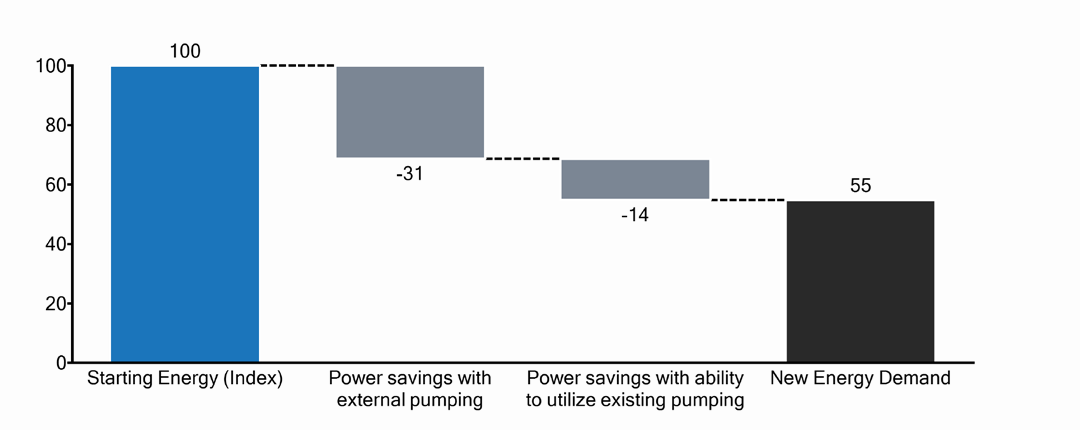
The projected energy demand index fell from 100 to 55.
FPUD reported this gain in its existing fine-bubble system.
Surfactant removal increased capacity within the existing process volume.
Results come from two 25-day pilot studies at Fallbrook WWTP #1. Moleaer offers this information in good faith, without guarantee of performance.
“The data collected ... showed how the adoption of the Moleaer nanobubble technology allowed to nearly double the energy efficiency of our existing fine-bubble aeration system, due to the ability of nanobubble to remove surfactants from the influent wastewater. ”A FPUD representative,Fallbrook Public Utility District
At Fallbrook WWTP, surfactants in the incoming wastewater made it harder for the plant’s fine-bubble aeration system to transfer oxygen into the water. The system releases air through diffusers, creating small bubbles that supply dissolved oxygen to the microorganisms that break down pollutants during secondary treatment.
Surfactants can collect at the surface of those bubbles and slow the movement of oxygen into the water. When less of the oxygen supplied by the blowers reaches the microorganisms, the plant may need to deliver more air to maintain the same dissolved oxygen level. That can increase blower energy use and raise the cost of treating the same volume of wastewater.
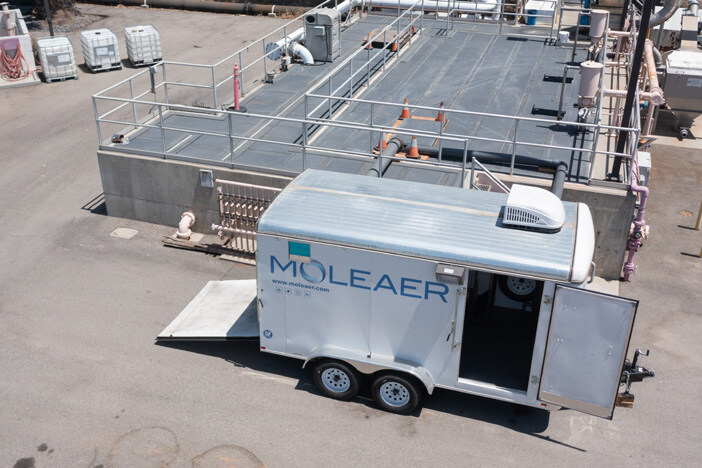
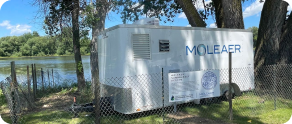
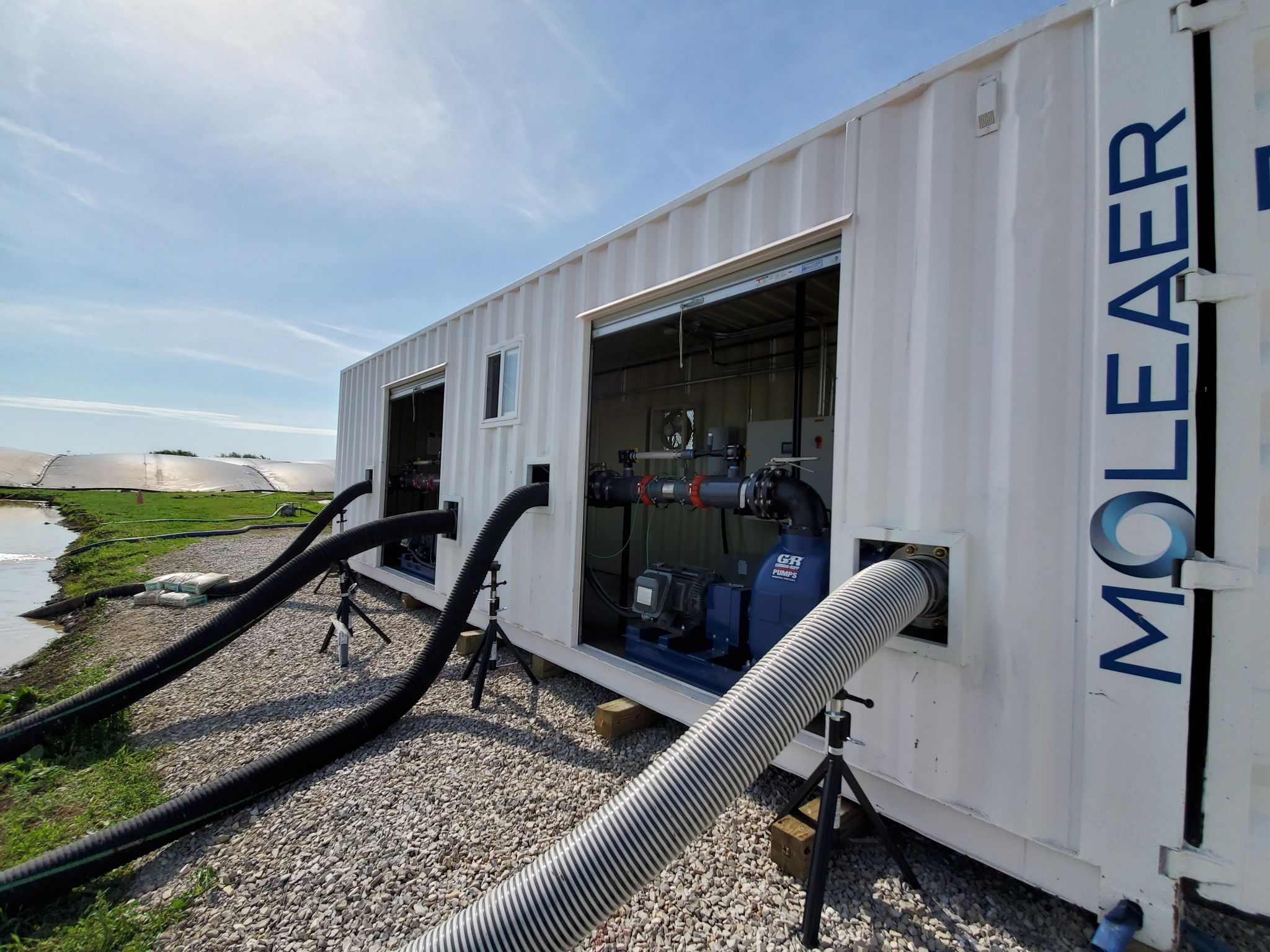
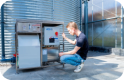
During two 25-day evaluations, Fallbrook used a 1,800 GPM Moleaer nanobubble generator to treat an average influent flow of 1.4 million gallons per day at the headworks, upstream of the primary clarifiers.
Pretreatment reduced organic and surfactant loads reaching secondary treatment. The team monitored oxygen transfer and other process indicators and compared plant energy use before, during and after the evaluations.
See Moleaer’s nanobubble generators
The chart starts at an energy index of 100. Power savings with external pumping are 31. Power savings with the ability to utilize existing pumping are another 14. New energy demand is 55.
The pilot data and the plant’s energy usage before, during and after the pilots were used to assess the impact of nanobubble injection. The result is 45% potential energy savings.
During the two 25-day evaluations, Fallbrook’s aeration energy cost savings averaged 30% compared with historical aeration operating costs. Reducing surfactant loads also improved oxygen transfer, allowing the plant to increase secondary treatment capacity within its existing basins.
FPUD recommended that other wastewater plants consider Moleaer nanobubble pretreatment to improve energy efficiency and retrofit underperforming aeration systems.
Get the PDF with the pilot results and the energy chart.
Surfactants suppress the ability of transferring oxygen in activated sludge systems. Approximately 40 to 60 percent of the energy required to dissolve oxygen into wastewater can be attributed to surfactants alone. At Fallbrook, Moleaer nanobubbles reduced the organic and surfactant loads to the secondary process.
At Fallbrook WWTP #1, aeration energy savings averaged 30% of the plant’s historical annual aeration OPEX. The pilot energy chart shows 45% potential energy savings, with energy demand falling from an index of 100 to 55. These results come from two 25-day pilot studies.
Nanobubbles remove surfactants from the influent wastewater, according to FPUD. FPUD reported that injecting them in the headworks basin resulted in 60% more oxygen transferred to the process. FPUD also said the energy efficiency of its existing fine-bubble aeration system nearly doubled.
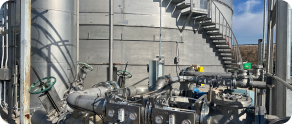
At Fallbrook, the nanobubbles were injected into a headworks basin upstream of the primary clarifiers. One 1800 GPM nanobubble generator treated an average daily influent flow of 1.4 MGD.
FPUD said that removing surfactants allowed a more efficient oxygen uptake from the activated sludge. That increased the plant’s treatment capacity without the need for additional process volumes, or for equal footprint. The pilots show nanobubble injection increases the treatment capacity of secondary treatment basins.
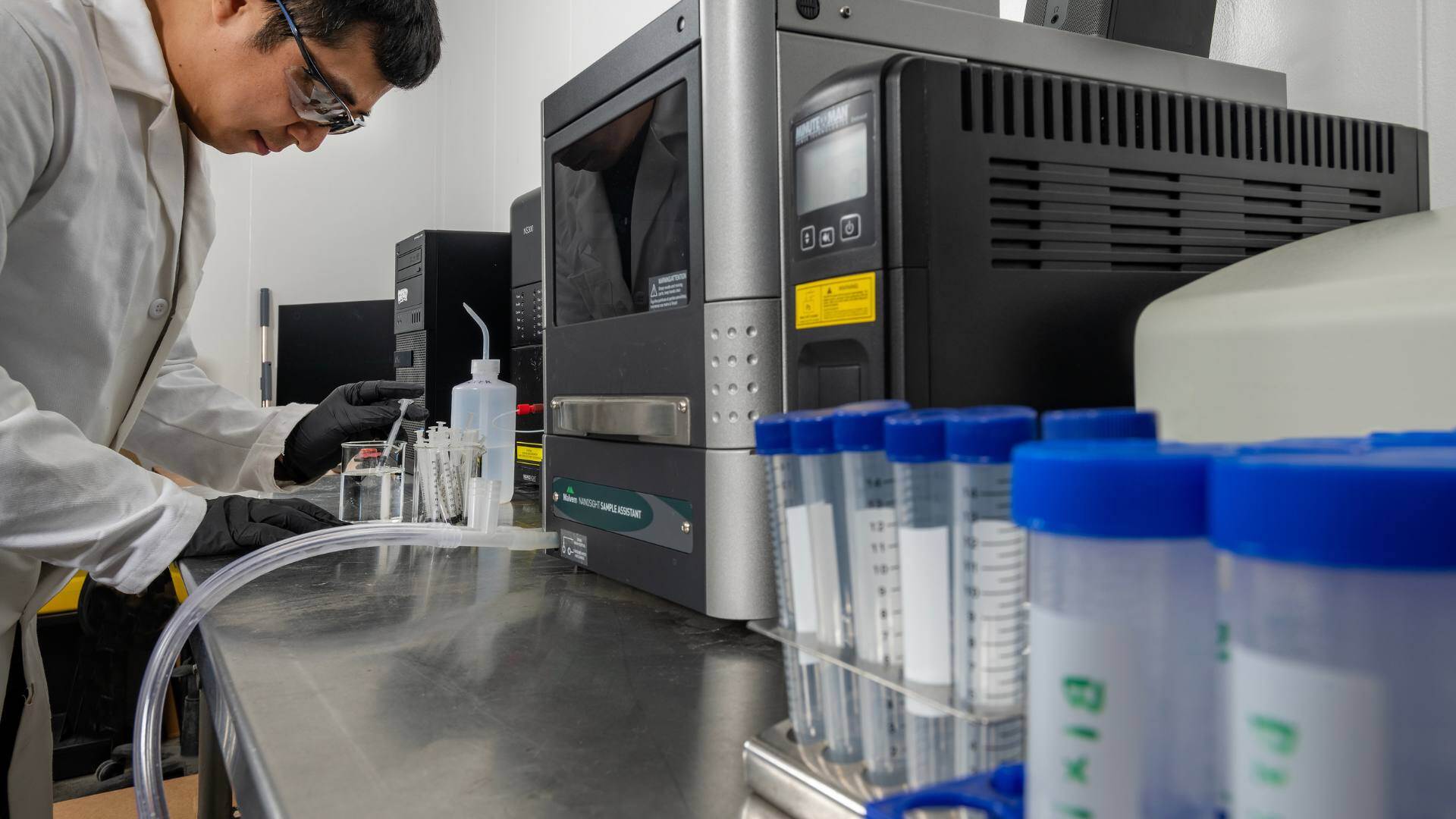
The team measured dissolved oxygen (DO), pH, oxidation reduction potential (ORP), oxygen uptake rates, nitrification rates, oxygen transfer efficiency and other water quality and operating parameters. They also used the plant’s energy usage before, during and after the two 25-day pilots.
FPUD recommends nanobubble technology as a cost-effective solution to retrofit under-performing aeration systems. At Fallbrook, the existing fine-bubble aeration system nearly doubled its energy efficiency, according to FPUD.
These results come from two pilot studies at one plant. Moleaer offers the information in good faith, without guarantee of performance, and each customer must decide whether it fits their use. Talk to an expert to review your plant.
Tell us about your aeration system and your goals. We will help you find the next step.
Talk to a wastewater expert →


 EN
EN