



>70%
Reduction in total suspended solids (TSS)
From approximately 17 mg/L to less than 5 mg/L.
A commercial Atlantic salmon producer in Pargua, Puerto Montt, Chile, integrated Moleaer’s Freya submersible nanobubble generator into its high-density post-smolt recirculating aquaculture system (RAS) to improve water quality and support fish welfare.
From approximately 17 mg/L to less than 5 mg/L.
From approximately 20 mg/L to less than 10 mg/L.
From approximately 4 mg/L to less than 2 mg/L.
Results recorded within the first 12 days of operation at this facility.
The facility recirculates approximately 98% of its process water. In a system this closed, suspended solids, biofilm and accumulated organic material build up quickly.
Managing that material effectively is critical to maintaining optimal culture conditions and fish welfare at high stocking densities.
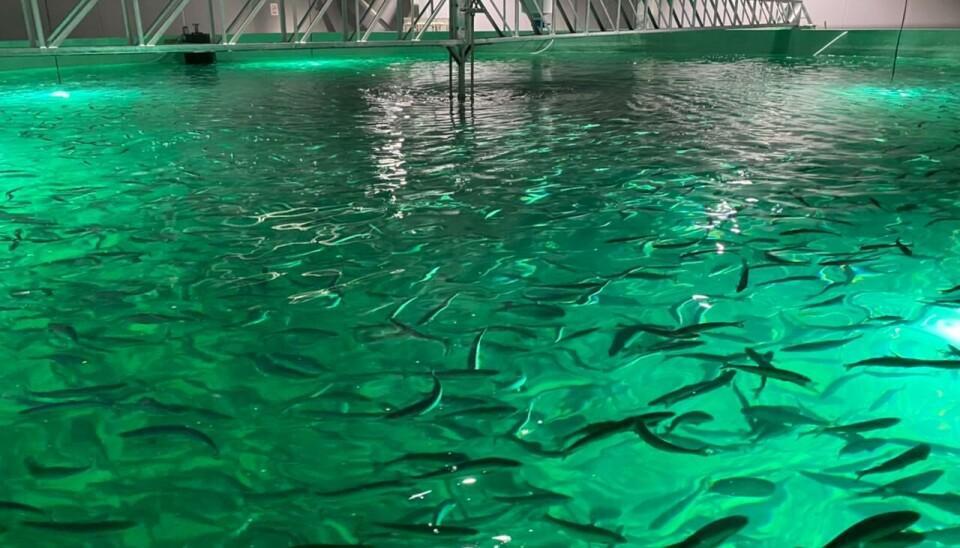
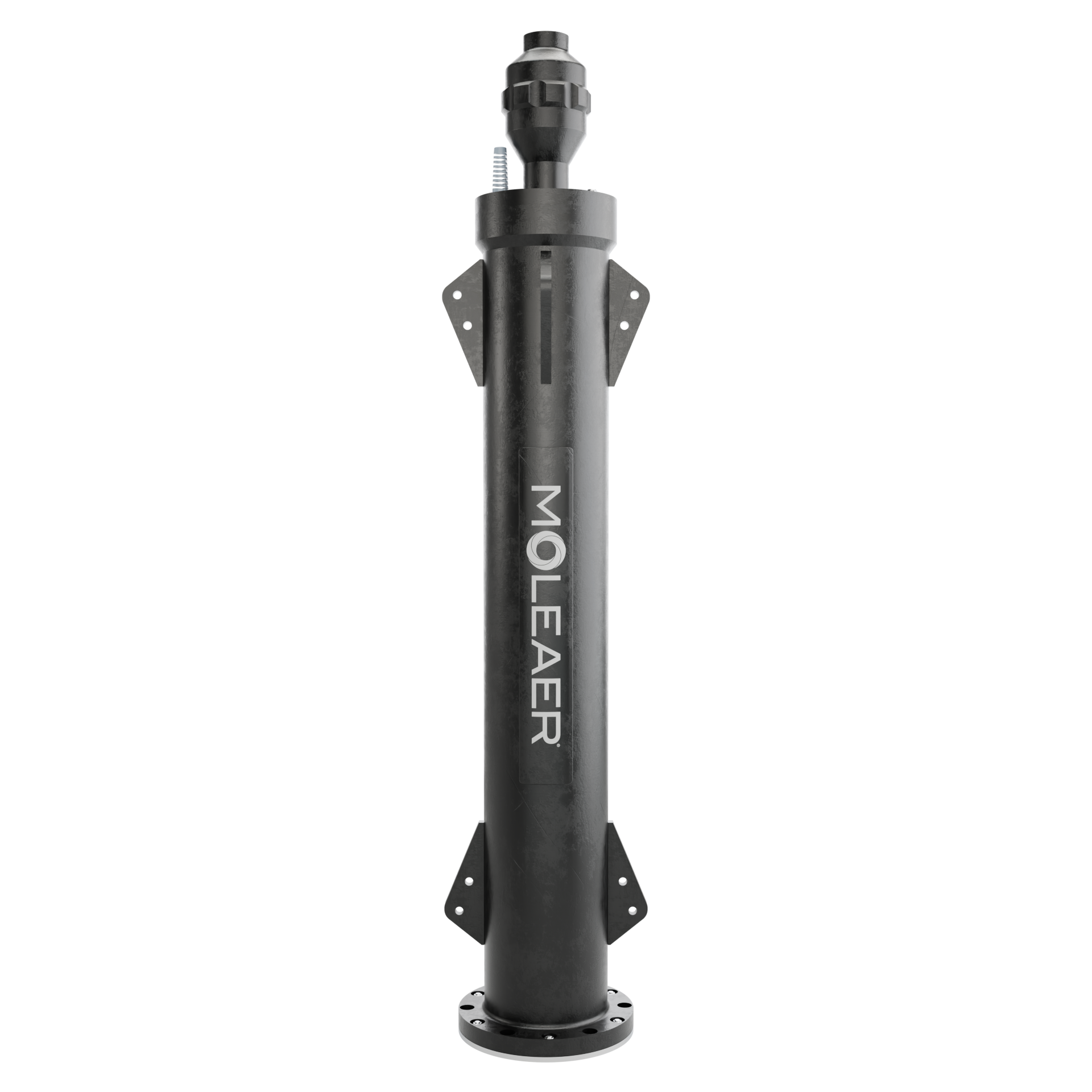
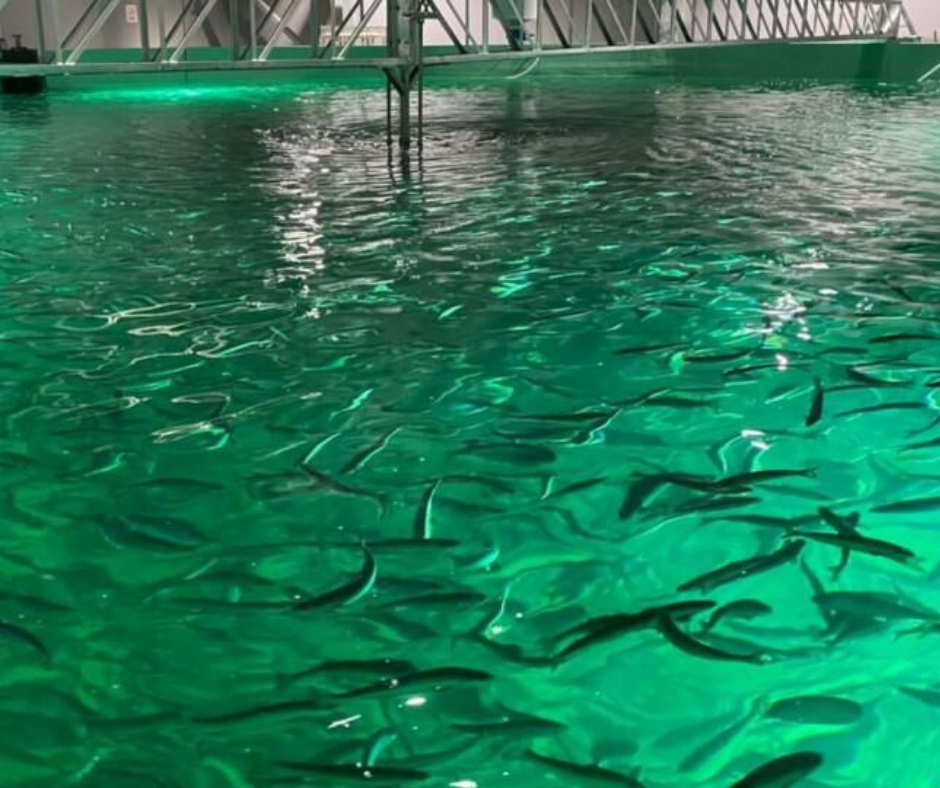
Moleaer’s Freya submersible nanobubble generator was installed in the system’s main feeder channel to complement existing treatment and filtration processes.
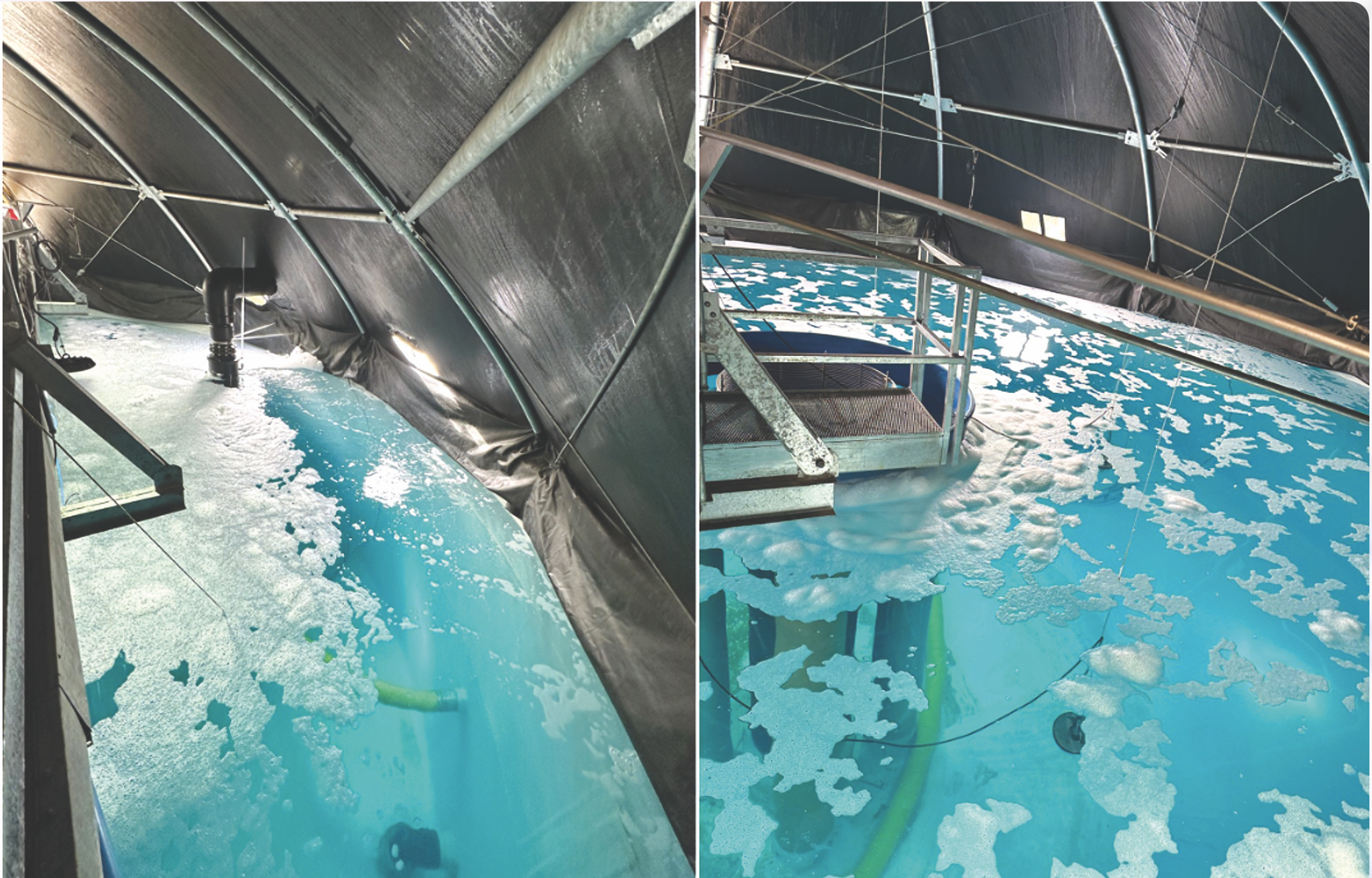
During initial operation, nanobubble treatment released accumulated biofilm, particulate matter and organic material into the water column, where it was captured and removed by the existing rotary filtration system. As accumulated material was removed, water quality improved across monitored parameters.
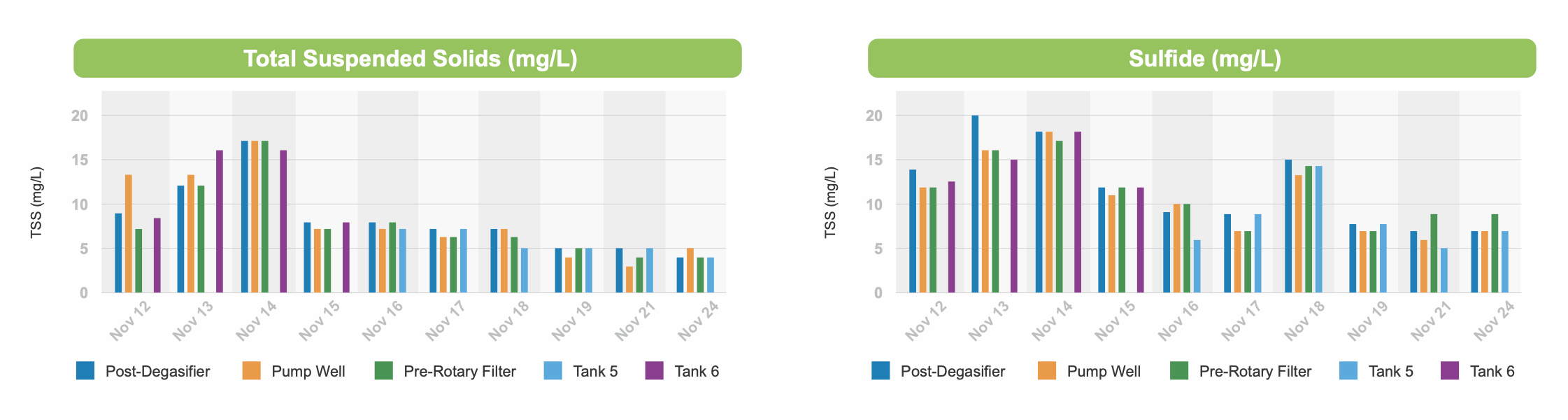
Learn more about Moleaer’s Freya →Selected data from the case study. The full data set is in the PDF.
Within the first 12 days of operation, the facility recorded significant water-quality improvements across all three monitored parameters.
These results show how nanobubble technology can complement existing RAS filtration and treatment infrastructure in highly recirculated systems.
Moleaer’s Freya was also incorporated into the facility’s tank sanitation process alongside ozone treatment.
Operators observed that biofilm released more readily from tank surfaces, allowing sanitation to be completed more quickly. Foam containing organic matter and suspended solids was also observed as accumulated material was removed.
By integrating Moleaer Nanobubble Technology with existing treatment processes, the producer improved the removal of accumulated organic material and maintained better water quality in its high-density post-smolt system.
These improvements support optimal culture conditions and fish welfare as aquaculture producers operate at higher stocking densities and water recirculation rates.
Results, figures and conclusions from the post-smolt RAS facility.
Within the first 12 days of operation, total suspended solids (TSS) fell by more than 70%, from about 17 mg/L to less than 5 mg/L. Sulfide fell by more than 50%, from about 20 mg/L to less than 10 mg/L, and turbidity fell by more than 50%, from about 4 mg/L to less than 2 mg/L.
Moleaer’s Freya submersible nanobubble generator was installed in the system’s main feeder channel. Nanobubble treatment released accumulated biofilm, particulate matter and organic material into the water column, where the facility’s existing rotary filtration system captured and removed it.
No. At this facility, Moleaer’s Freya complemented the existing treatment and filtration processes, helping the rotary filters remove material that had built up in the system.
Yes. Used alongside ozone treatment, Moleaer’s Freya helped biofilm release more readily from tank surfaces, so operators could complete sanitation more quickly.
Every facility has different biomass, loading, water chemistry and system design. This producer is one documented example; a Moleaer aquaculture expert can assess your system to find the right solution.
Connect with a Moleaer aquaculture expert to learn how nanobubble technology can improve water quality, manage biofilm and enhance RAS performance.
Talk to an aquaculture expert →