


96%
Reduction in effluent ammonia
Year over year, Miller Poultry’s wastewater treatment lagoons
Miller Poultry treats high-strength processing wastewater in two facultative lagoons. Surfactants from cleaning and disinfection inhibited the biological processes that break down waste.
Year over year, Miller Poultry’s wastewater treatment lagoons
Total Kjeldahl nitrogen (TKN) in lagoon effluent fell 72% year over year.
Biological oxygen demand (BOD) in lagoon effluent fell 57% year over year.
Phosphorus in lagoon effluent fell 17% year over year.
Miller Poultry eliminated foul odors from its lagoons, including in the warmer months.
Year-over-year effluent contaminant reductions at Miller Poultry’s wastewater treatment lagoons in Orland, Indiana. Results are specific to this site and are not a guarantee of performance.
“Moleaer’s sales, service and engineering teams were all great to work with, helping us solve our long-standing odor problem. Moleaer is a great company delivering great science and even better results.”Charlie BrownOperations Manager, Miller Poultry
Food safety standards and Clean in Place (CIP) procedures require high concentrations of quaternary ammonium compounds (QACs or quats) for disinfection. Quats are surfactants. They inhibit biological wastewater treatment by impeding solids separation, oxygen transfer and nutrient removal.
Because of this surfactant inhibition, the lagoons gave off foul odors that were much worse in warmer months. Neighbors and staff complained. Operations manager Charlie Brown tried deodorant chemicals and bioaugmentation, but neither fixed the problem.
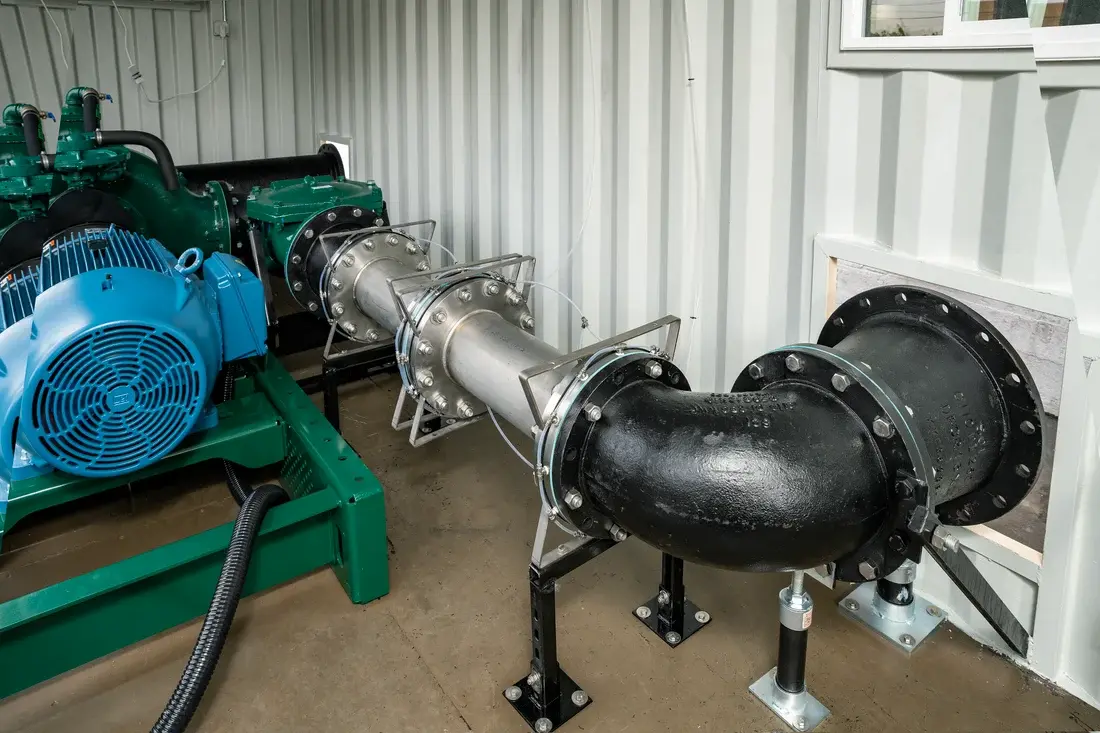
Brown turned to Moleaer Nanobubble Technology. Nanobubbles selectively break down and inactivate surfactants and other inhibitory compounds. This lets the natural biological process in the lagoons work more effectively.
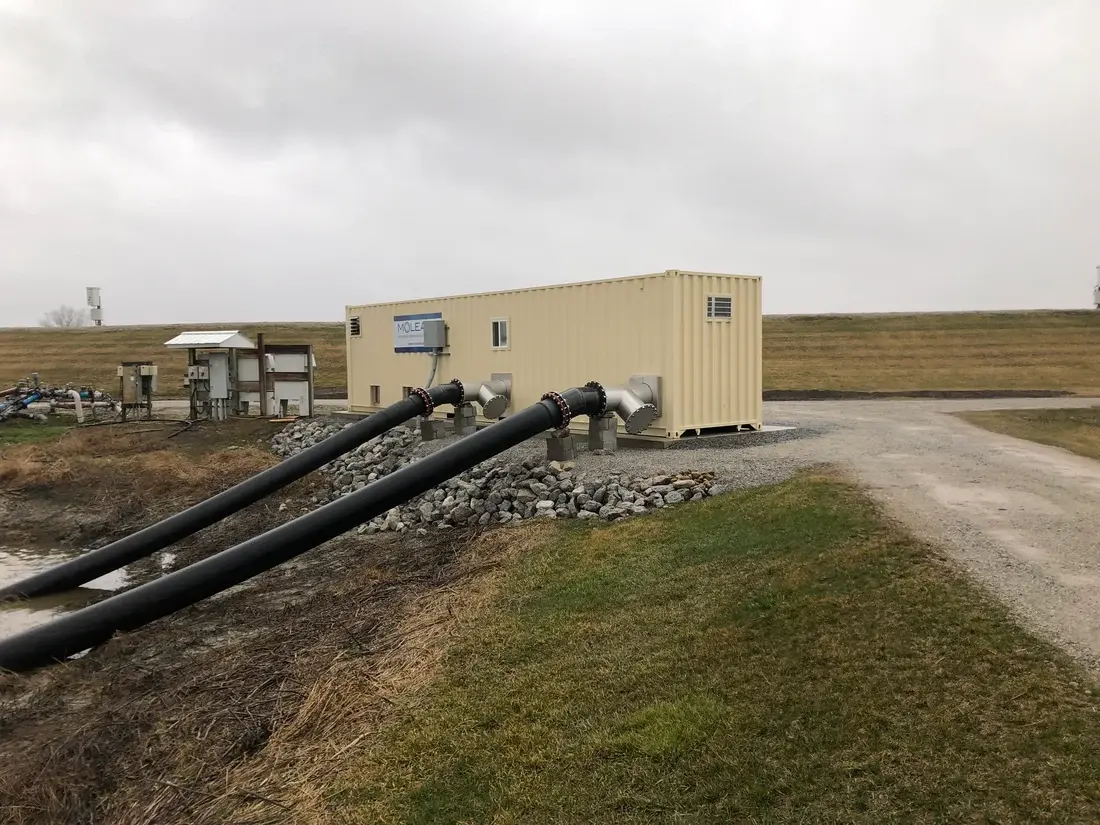
Moleaer’s Titan Nanobubble Solution was installed on Miller’s lagoon in February 2023. The team noticed reduced odors right away. By November 2023, after watching for odors to return in the warmer months, Brown was convinced he had found a solution.
Explore Moleaer’s Titan| Ammonia | BOD | TKN | Phosphorus |
|---|---|---|---|
| 96% | 57% | 72% | 17% |
Moleaer Nanobubble Technology improved effluent water quality from Miller Poultry’s treatment lagoons. Ammonia fell 96% and TKN fell 72%.
BOD fell 57% and phosphorus fell 17%. All four reductions are measured year over year.
Surfactant inhibition held back the lagoon’s natural biological treatment and caused foul odors.
After Moleaer’s Titan was installed in February 2023, odors dropped right away. They did not come back.
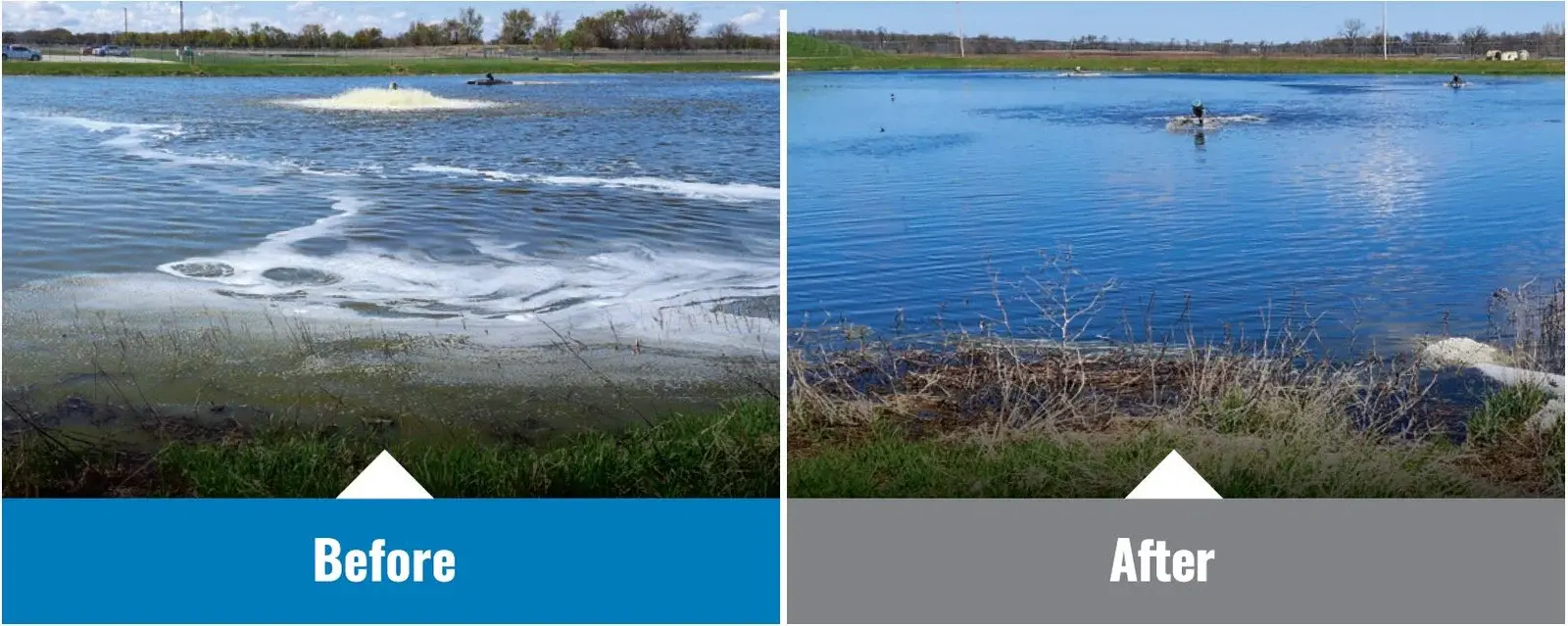
Moleaer Nanobubble Technology eliminated foul odors from Miller Poultry’s wastewater lagoons where deodorant chemicals and bioaugmentation had failed. It also cut effluent ammonia by 96%, TKN by 72%, BOD by 57% and phosphorus by 17% year over year.
Moleaer technology works with any biological treatment process and scales to any plant size. Industrial wastewater plants can improve treated water quality, reduce environmental impact and streamline their overall industrial processes.
Get the full PDF with the challenge, solution and year-over-year effluent results.
Talk with a Moleaer wastewater expert about your treatment process.
Talk to a wastewater expert →